 EN
EN

Modern Office Design Trends: Creating Flexible Workspaces
Modern office design is changing faster than it used to.
For a long time, offices followed a predictable setup—rows of desks, a few meeting rooms, and a layout that stayed the same for years. That approach still exists, but it no longer fits how people work today.
Work has become more flexible. People switch between tasks throughout the day—focused work, quick calls, short discussions, and longer meetings. Because of that, companies are starting to rethink how their spaces are designed.
You can see this shift in projects like Huawei’s regional headquarters in Panama, where workstations, shared areas, and lighting are arranged to support both focus and collaboration.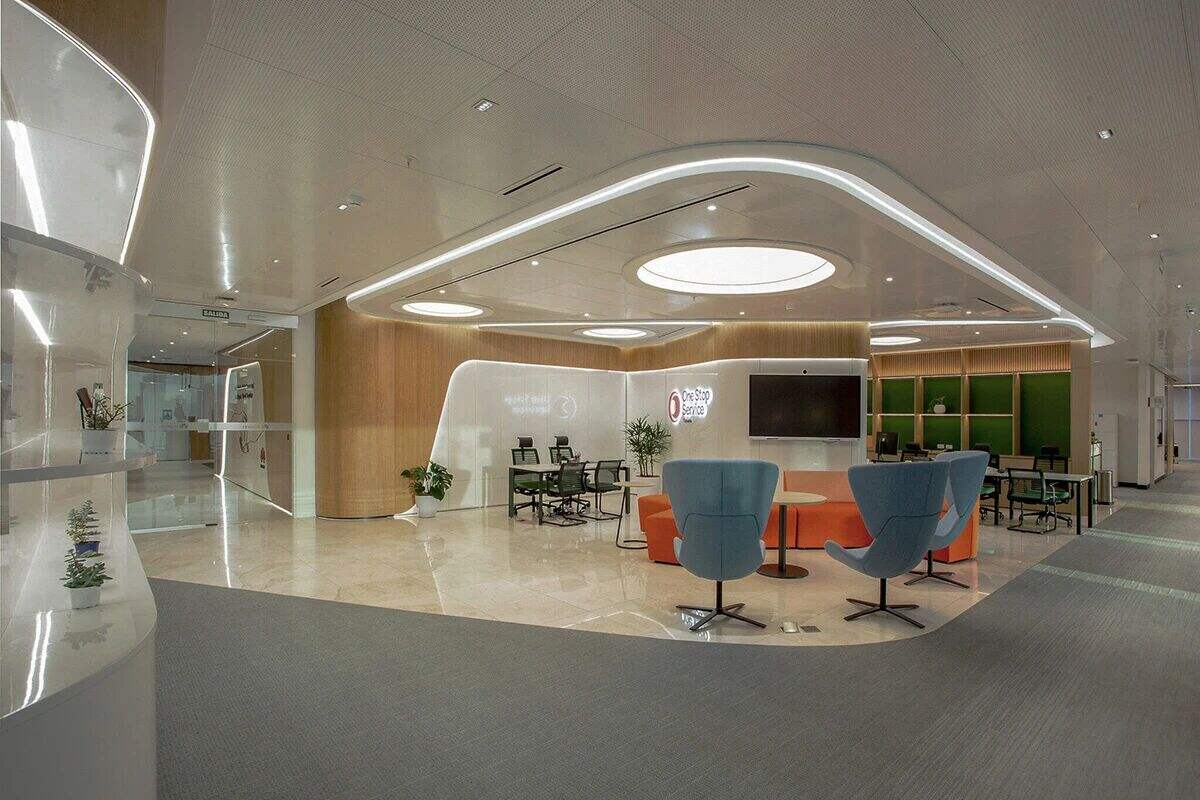
Offices are shifting from fixed layouts to flexible workspaces
Traditional office design was based on fixed functions.
Each space had a clear purpose. Desks were for individual work. Meeting rooms were for group discussions.
Today, that structure is becoming less rigid.
Instead of asking what a space is supposed to be, companies are asking how it will actually be used. This is where flexible “workspace solutions” start to matter.
Employees may need a quiet place for a short call, or a small area for a quick conversation. Not every task requires a full meeting room.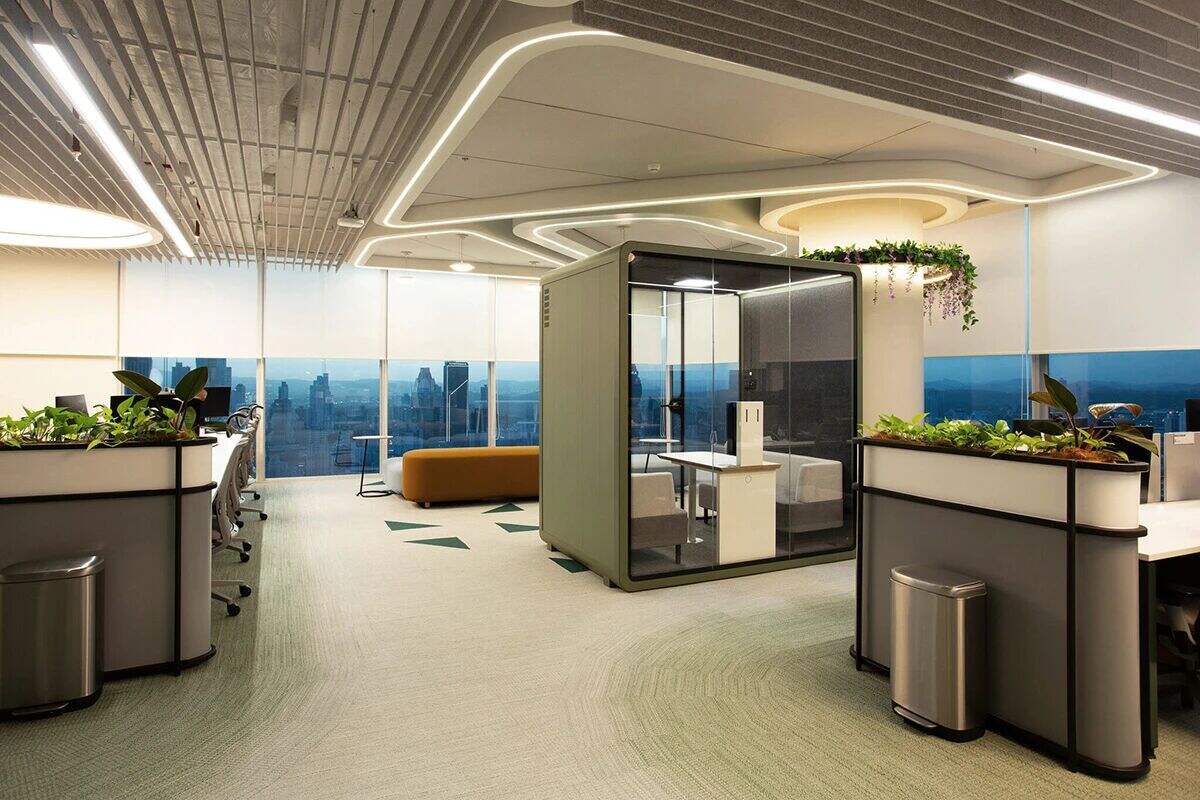
Workspace solutions are becoming more practical
Many companies are now looking for workspace solutions that can adapt without major renovation.
Rather than rebuilding offices, they are introducing elements that can be adjusted over time.
This often includes a combination of office furniture and smaller enclosed spaces.
For example:
- Modular office furniture that can be rearranged
- Adjustable desks that support different work styles
- Soundproof pods for calls and focused work
- Compact meeting booths for small discussions
These solutions make it easier to respond to changing needs without starting from scratch.
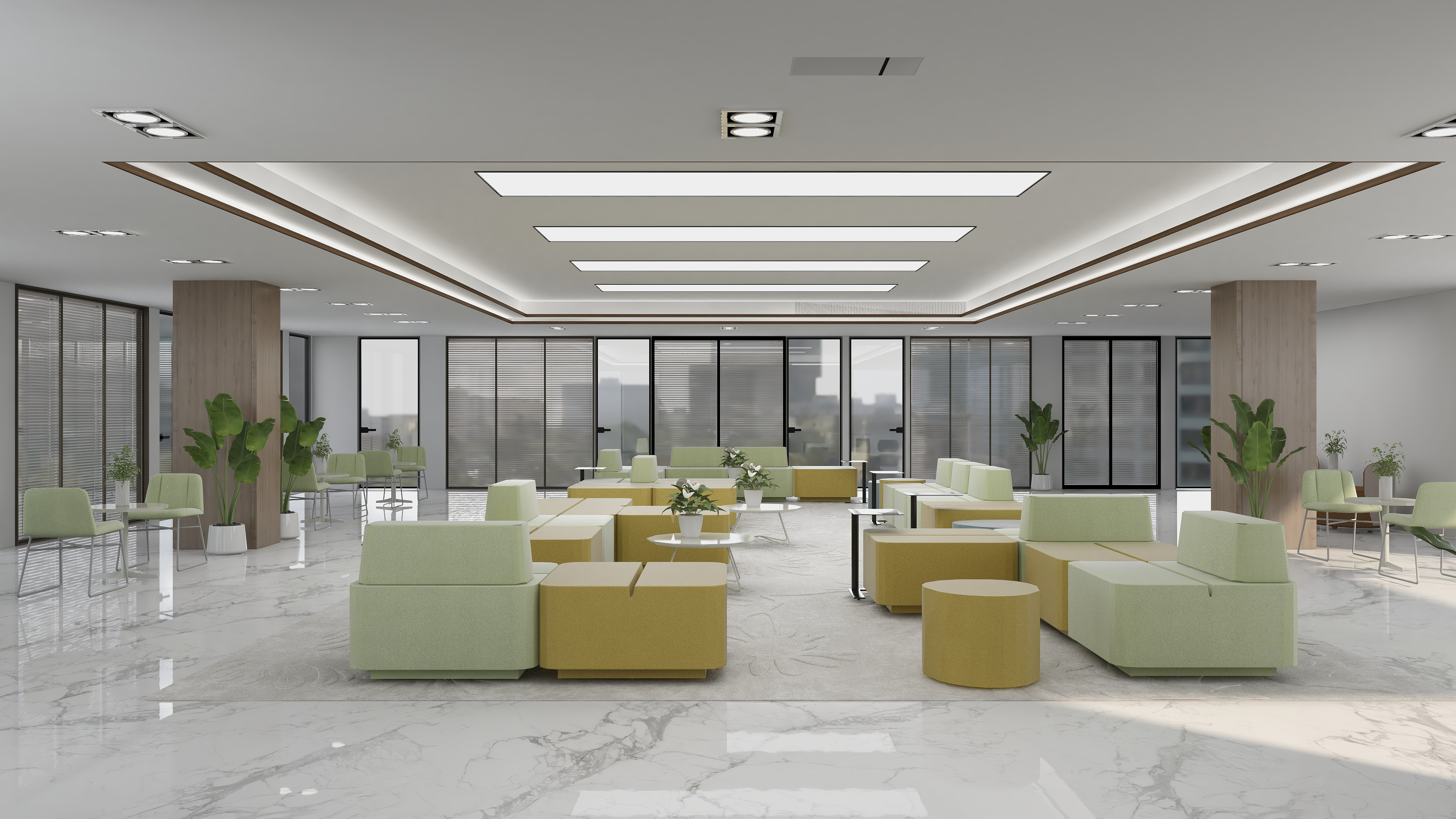
Office furniture plays a bigger role than before
Office furniture is no longer just about filling space.
It directly affects how people work every day.
Ergonomic chairs, adjustable desks, and well-designed workstations help reduce fatigue and improve comfort over long periods of time.
At the same time, furniture is becoming more flexible.
Instead of fixed setups, many offices now use modular systems that can be moved or reconfigured when needed. This makes it easier to adapt the workspace as teams grow or change.
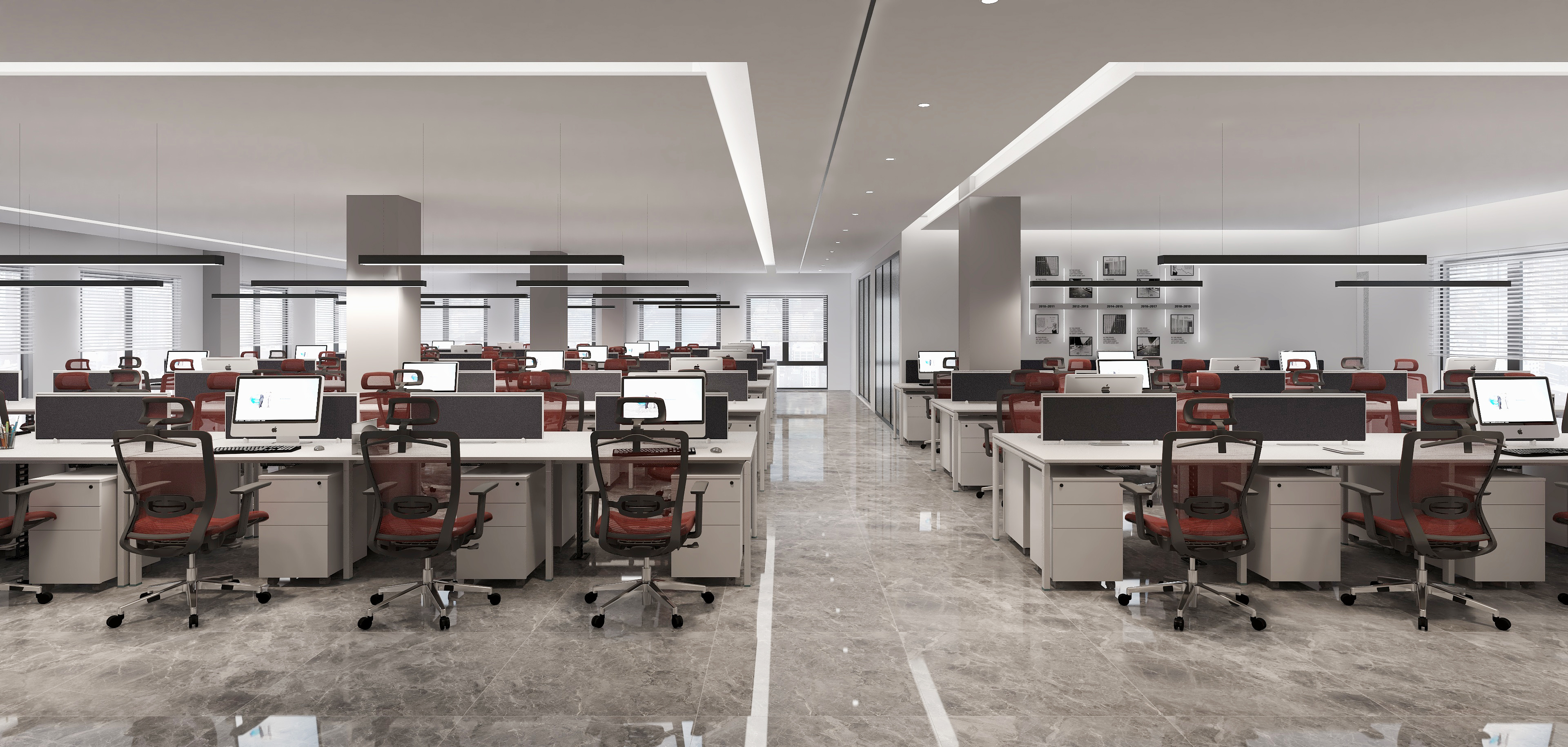
Open offices still need balance
Open-plan layouts are still widely used, mainly because they support communication and use space efficiently.
But they also create challenges.
Noise and lack of privacy are the most common issues, especially as more communication happens through calls and online meetings.
This is where additional solutions become necessary.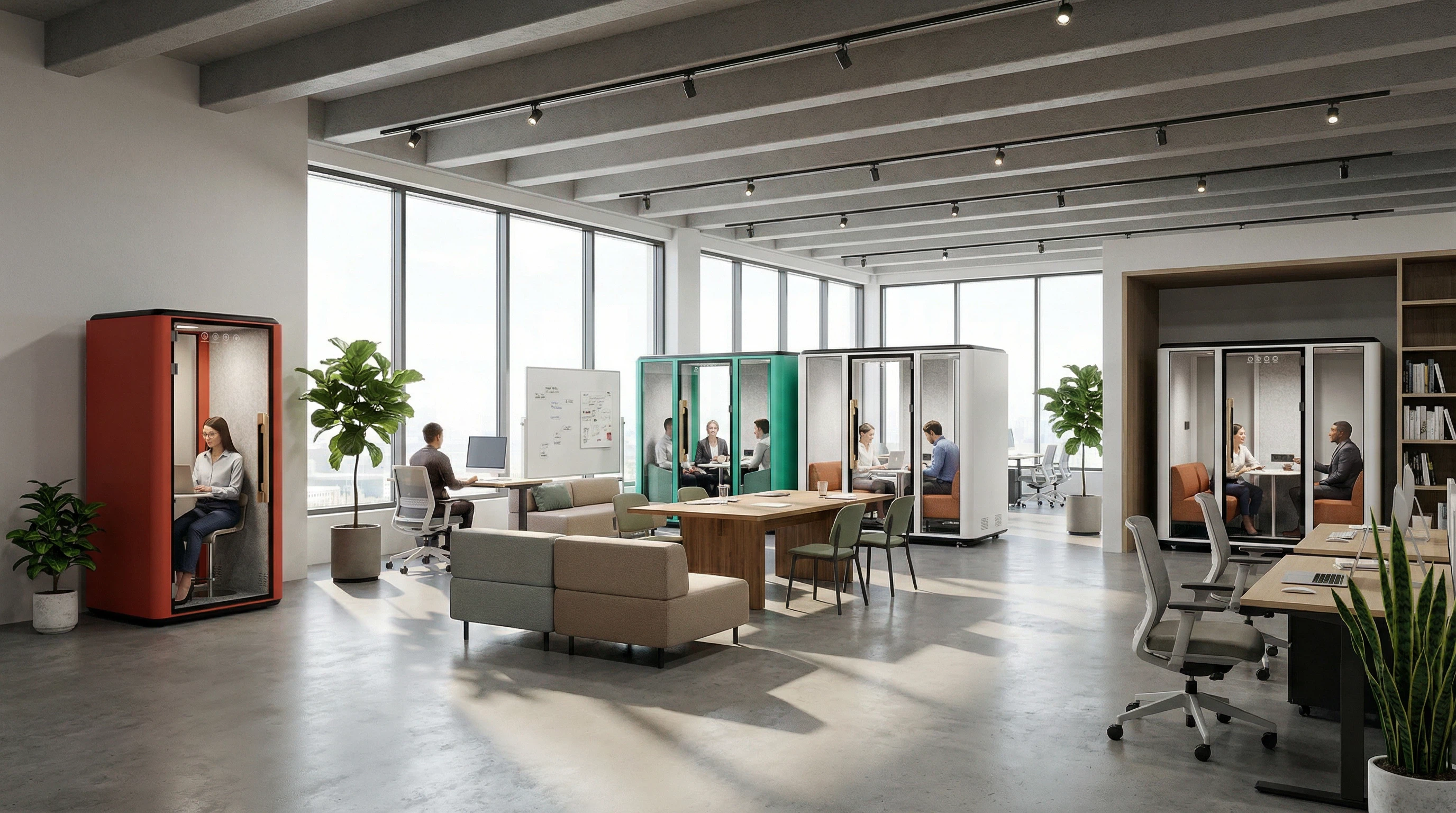
Why soundproof pods are becoming more common
To solve these everyday problems, many offices are adding soundproof pods.
These are small, enclosed spaces designed for calls, focused work, or short meetings.
They don’t take up much room, but they are highly practical.
In many cases, soundproof pods are used more frequently than large meeting rooms. Not because they replace them, but because they fit daily tasks better.
They also offer flexibility—no construction required, and they can be moved or added as needed.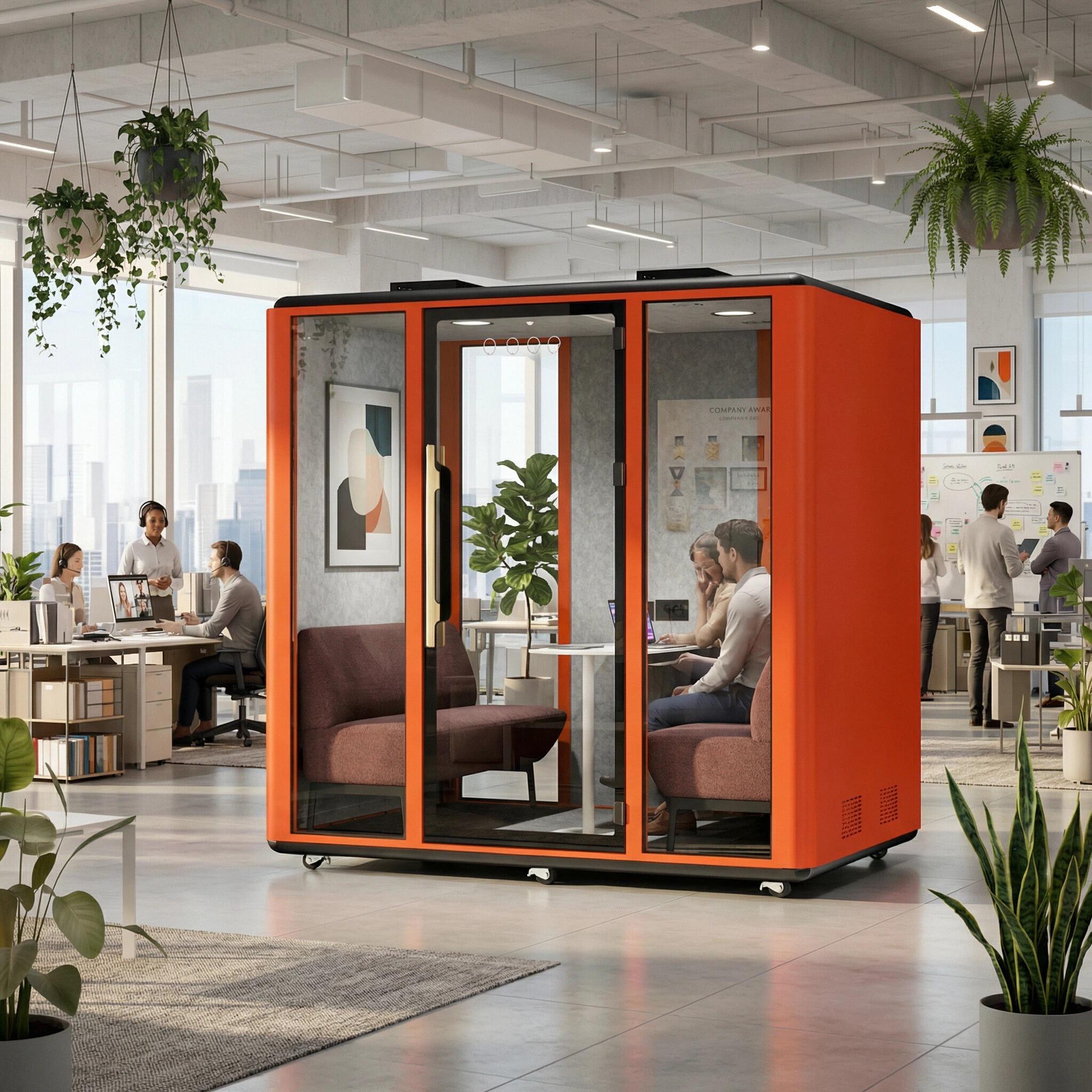
Flexible workspace design supports long-term efficiency
Another important shift is how companies think about long-term use.
Offices are no longer designed to stay the same for years. Teams change, business needs change, and work patterns continue to evolve.
Flexible workspace design allows companies to adjust without constant renovation.
This reduces costs over time and makes the office easier to manage.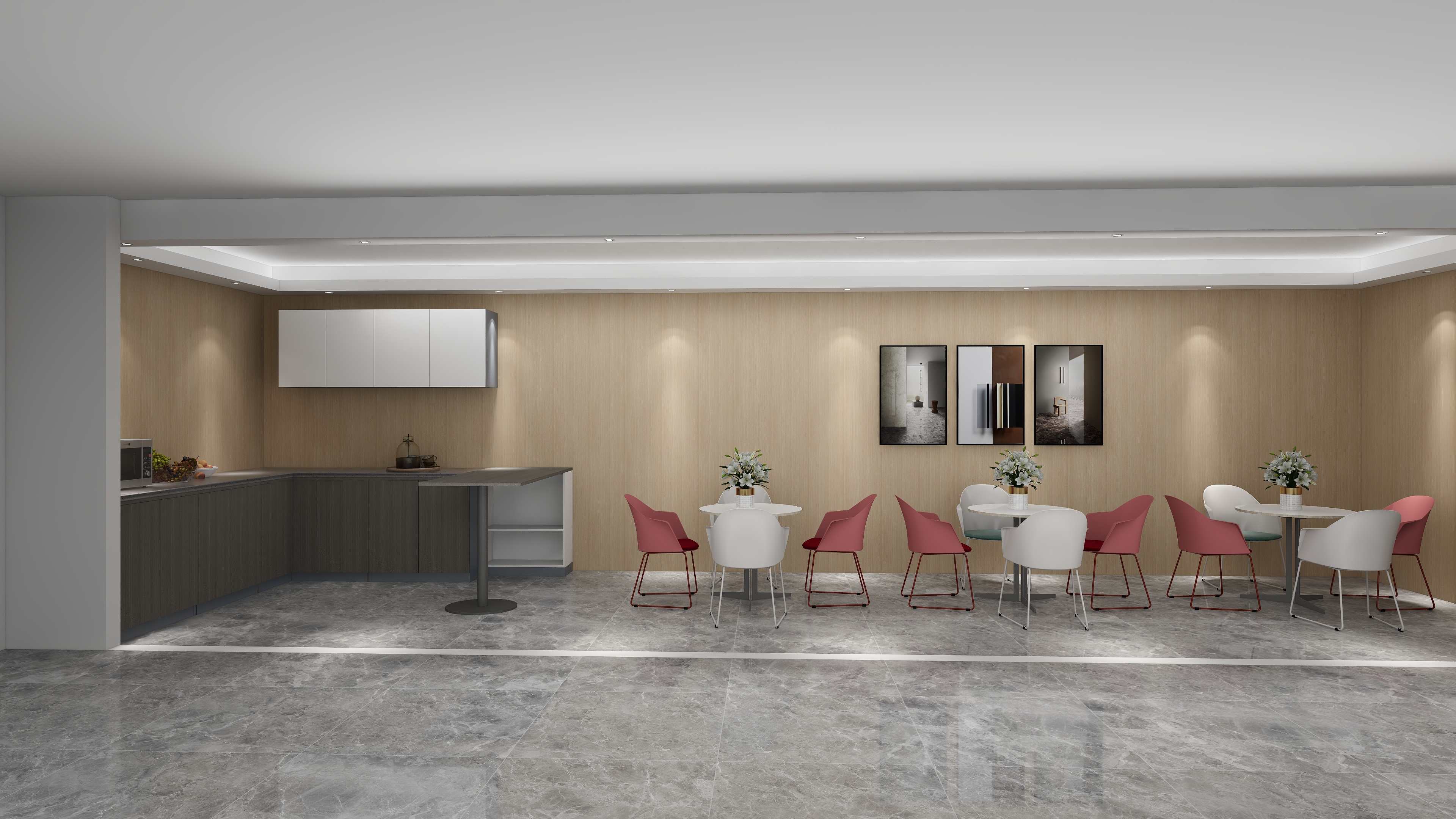
Modern office design is becoming a complete system
When you look at these changes together, modern office design is no longer just about layout.
It’s about how everything works together—workspace solutions, office furniture, acoustics, and lighting.
Instead of building fixed environments, companies are creating systems that can adapt.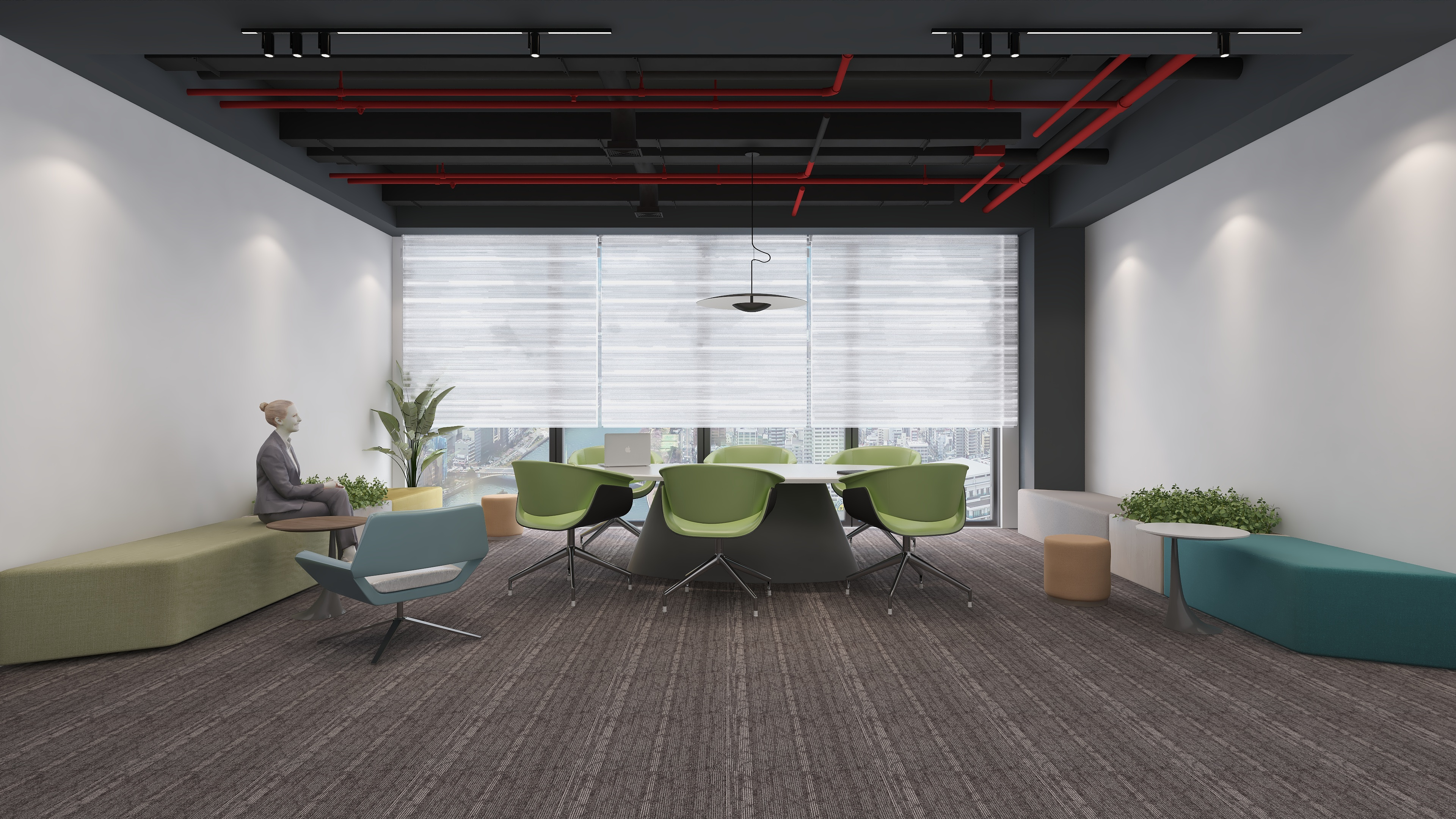
About Cleader
Cleader provides workspace solutions for modern office design, including office furniture and soundproof pods.
Our products are designed to support flexible work environments—from individual focus areas to small meeting spaces.
If you are planning a new office or upgrading your current workspace, you can explore our solutions or contact our team for more information.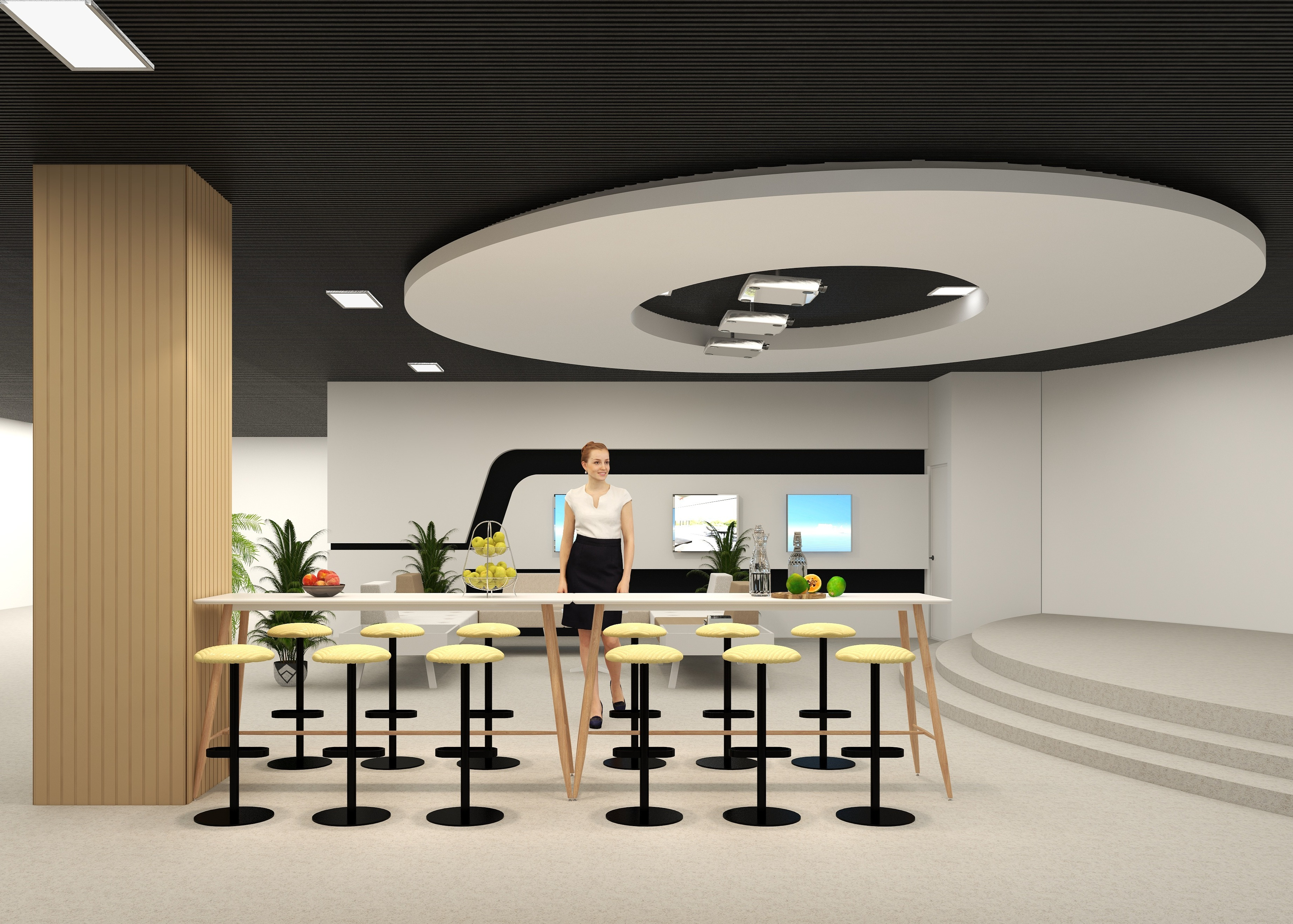
Table of Contents
- Modern Office Design Trends: Creating Flexible Workspaces
- Offices are shifting from fixed layouts to flexible workspaces
- Workspace solutions are becoming more practical
- Office furniture plays a bigger role than before
- Open offices still need balance
- Why soundproof pods are becoming more common
- Flexible workspace design supports long-term efficiency
- Modern office design is becoming a complete system
- About Cleader