 EN
EN

The "Zoom Call" Dilemma: Why Your Hybrid Team Hates Your Current Office Layout
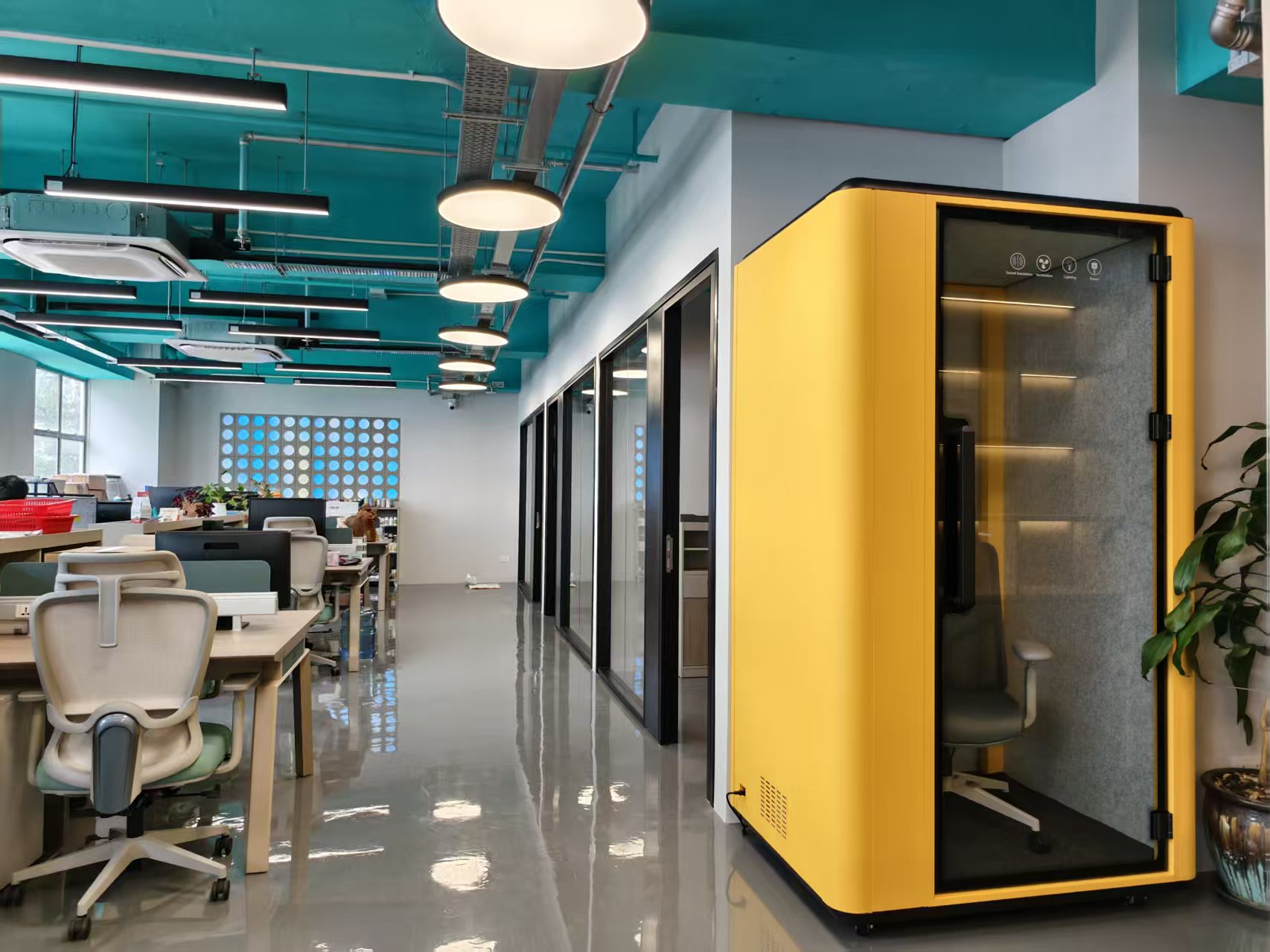
Have you been there? You’re in the middle of a high-stakes pitch, and just as you reach the climax of your presentation, a colleague nearby starts a loud conversation about lunch plans. Or perhaps you’ve found yourself "office wandering"—pacing the hallways or hiding in an echoey pantry just to find a shred of Zoom call privacy.
If this sounds familiar, your office layout isn't just annoying; it’s a bottleneck. In the hybrid era, the open-plan office is facing its biggest reckoning yet.
The Shift from "Desk-First" to "Camera-First" Workspaces
Most traditional offices were designed for a world of typing and walking. But in 2026, the workplace has effectively become a distributed broadcast studio. Today, over 80% of meetings involve at least one remote participant.
The problem? Most hybrid workplace design strategies haven't caught up. Open spaces lack "acoustic shadows," meaning your private client call becomes a public broadcast for everyone within a 20-foot radius. This lack of boundaries is the primary reason employees are increasingly frustrated with returning to the physical office.
The High Cost of Noise: Protecting Your Team’s Cognitive Budget
Let’s talk about the hidden math of distraction. Every time an employee is interrupted by office background noise, it takes an average of 23 minutes to regain deep focus. In a typical open office, this happens dozens of times a day.
This is why we see a silent migration toward any available quiet corner. Privacy is no longer a luxury; it’s a fundamental requirement for the "Cognitive Budget." Acoustic office pods are no longer just "nice-to-have" furniture—they are essential focus infrastructure that prevents your team from burning out due to sensory overload.
Sunk Costs vs. Liquid Assets: The New Financial Logic
The financial logic of workspace investment is also shifting. For years, building a meeting room meant a permanent commitment to drywall and static construction—essentially a "sunk cost" that remains fixed even as business needs evolve.
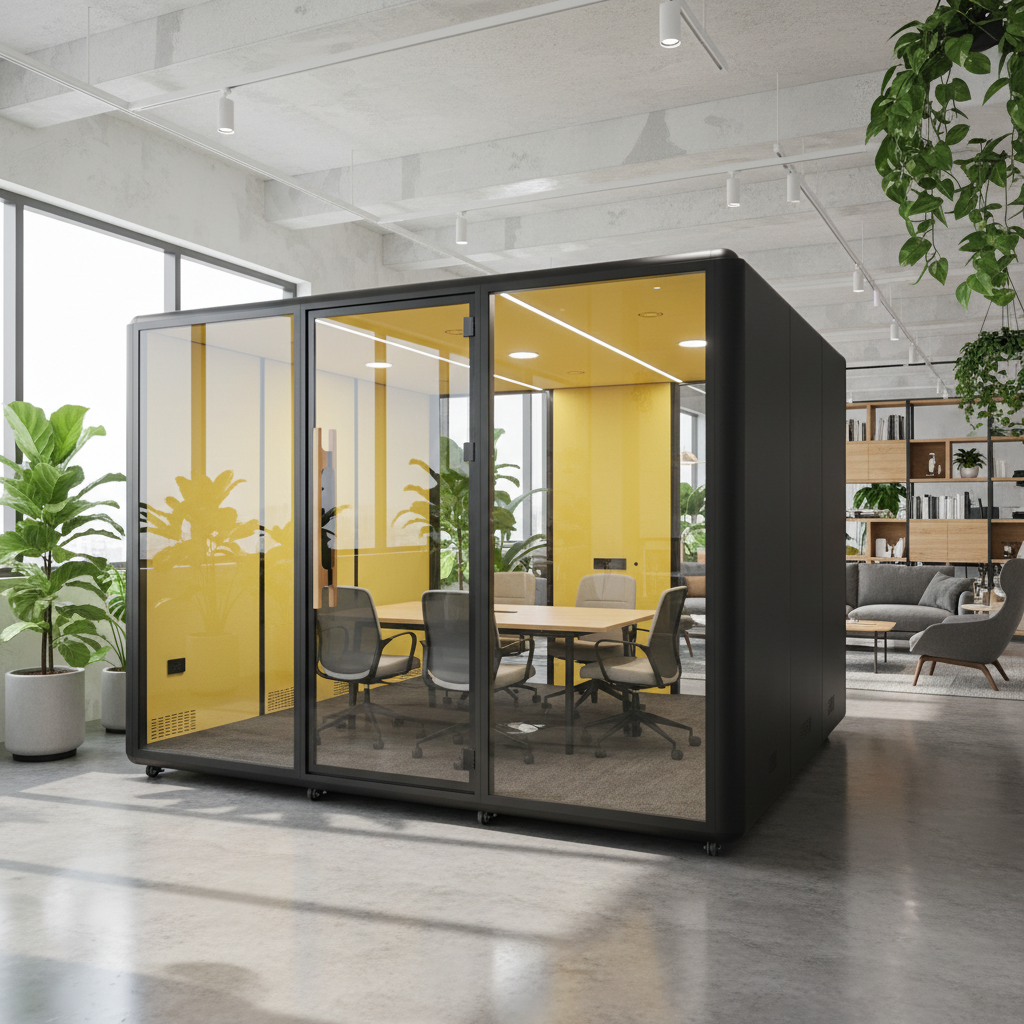
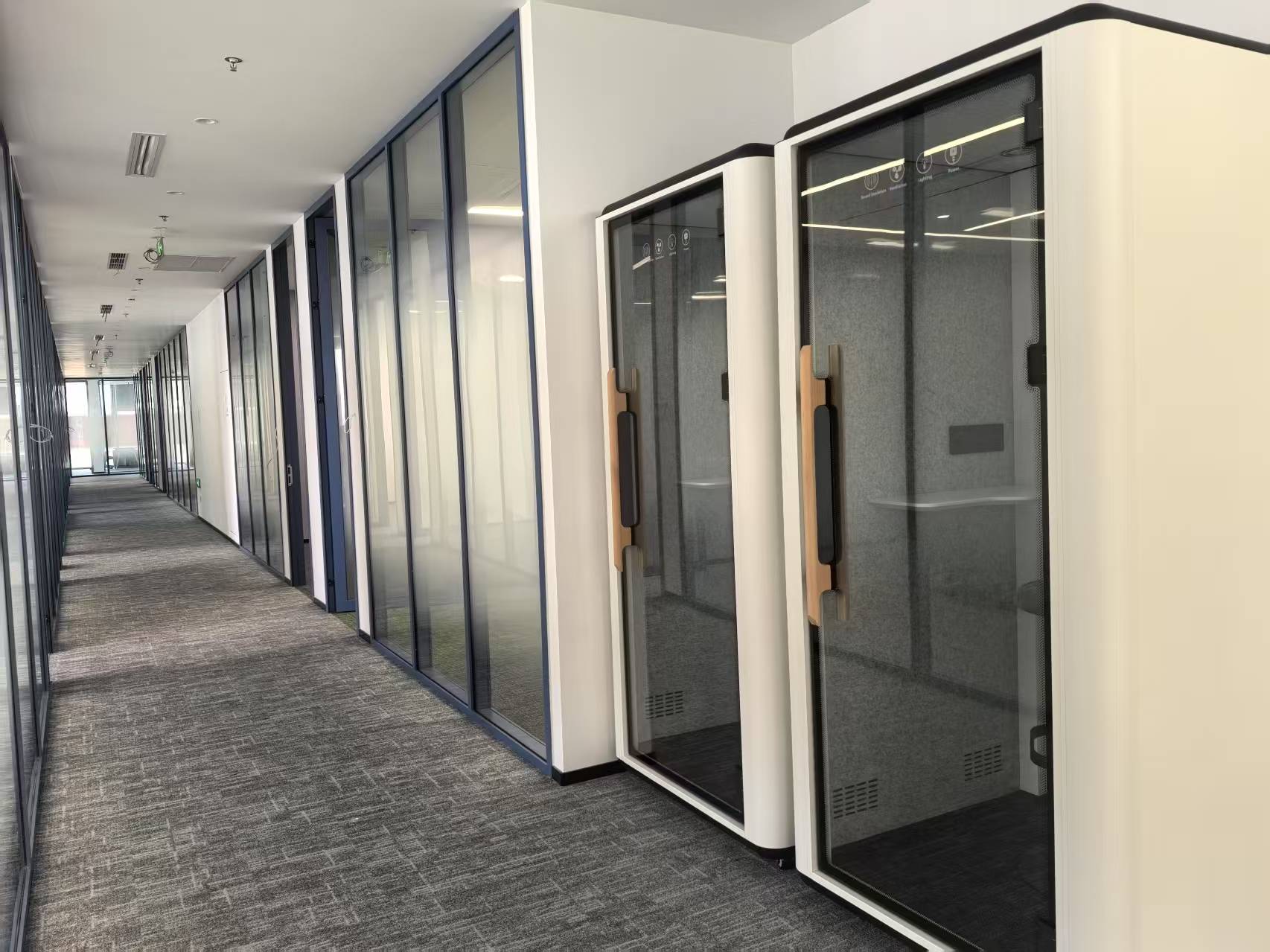
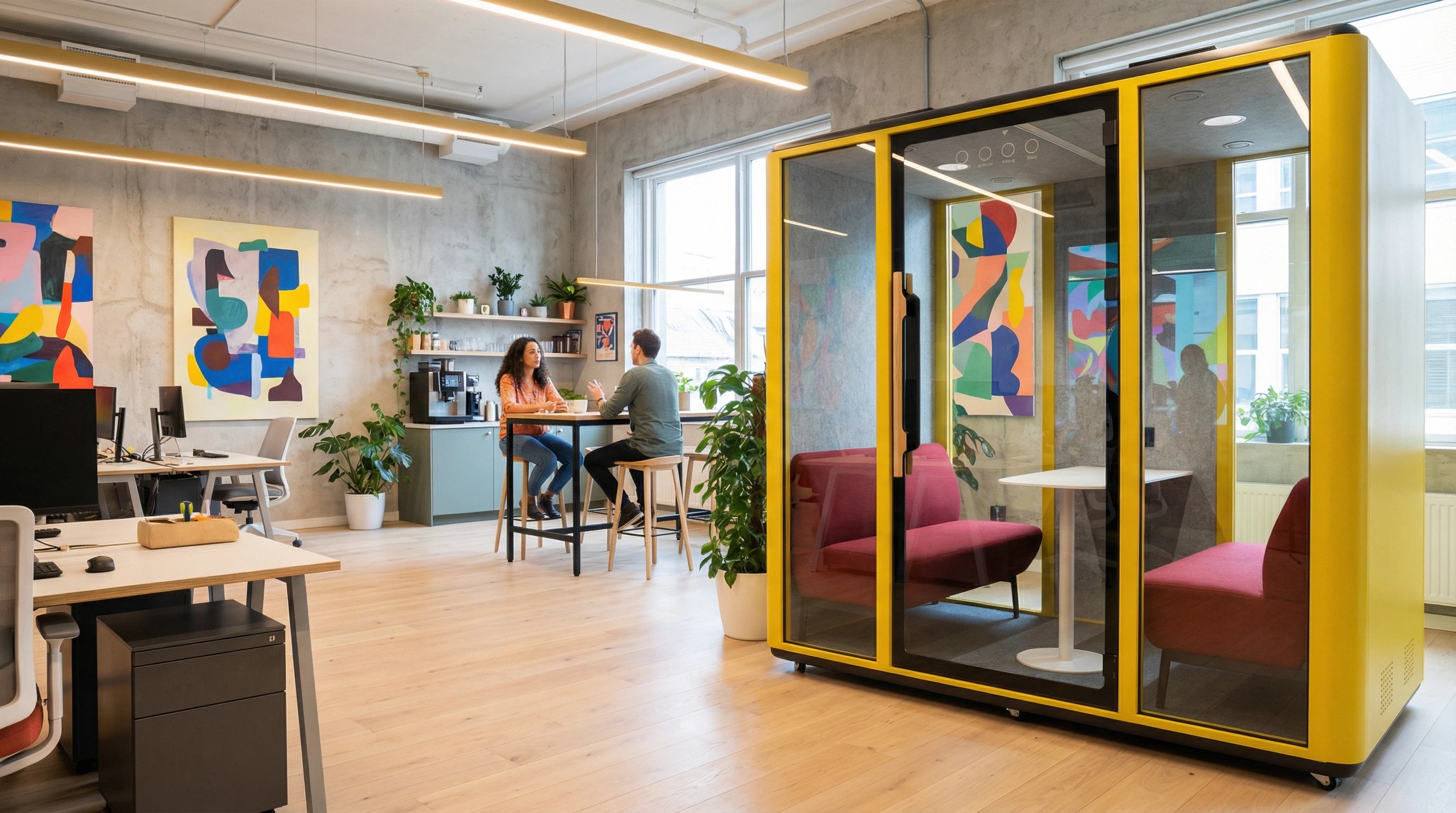
However, forward-thinking organizations are now prioritizing modular office solutions. By shifting from fixed construction to portable infrastructure, such as soundproof phone booths, companies gain the agility to reconfigure their entire layout in hours rather than weeks. As an all-scenario space solution provider, Cleader sees this not just as a furniture trend, but as a strategic move toward "liquid assets"—where the office environment adapts to the business, and not the other way around.
More Than a Box: Crafting Your Professional Narrative
At Cleader, we believe space is the physical extension of your brand narrative. When you step into a Cleader pod for a video call, the narrative changes.
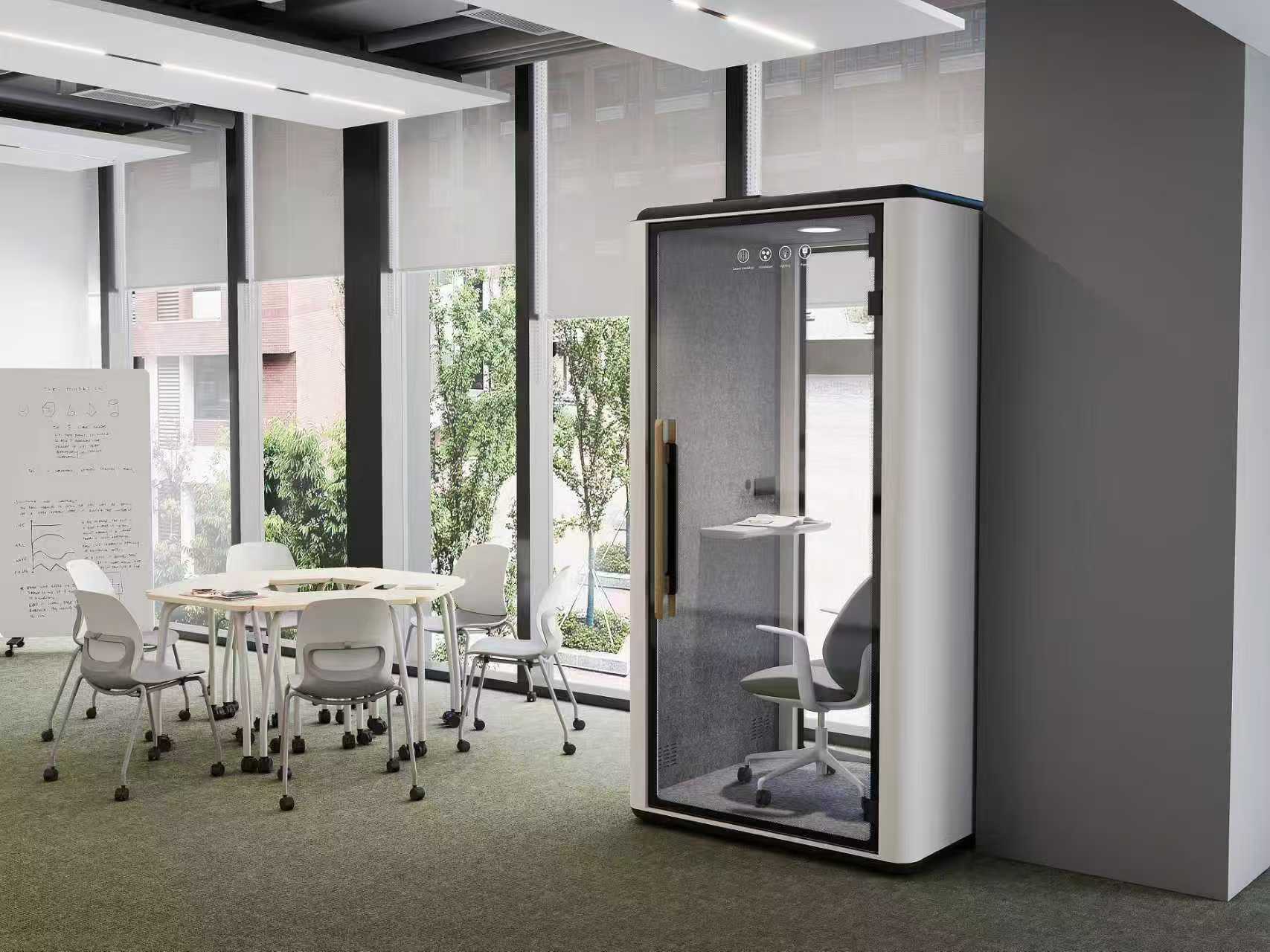
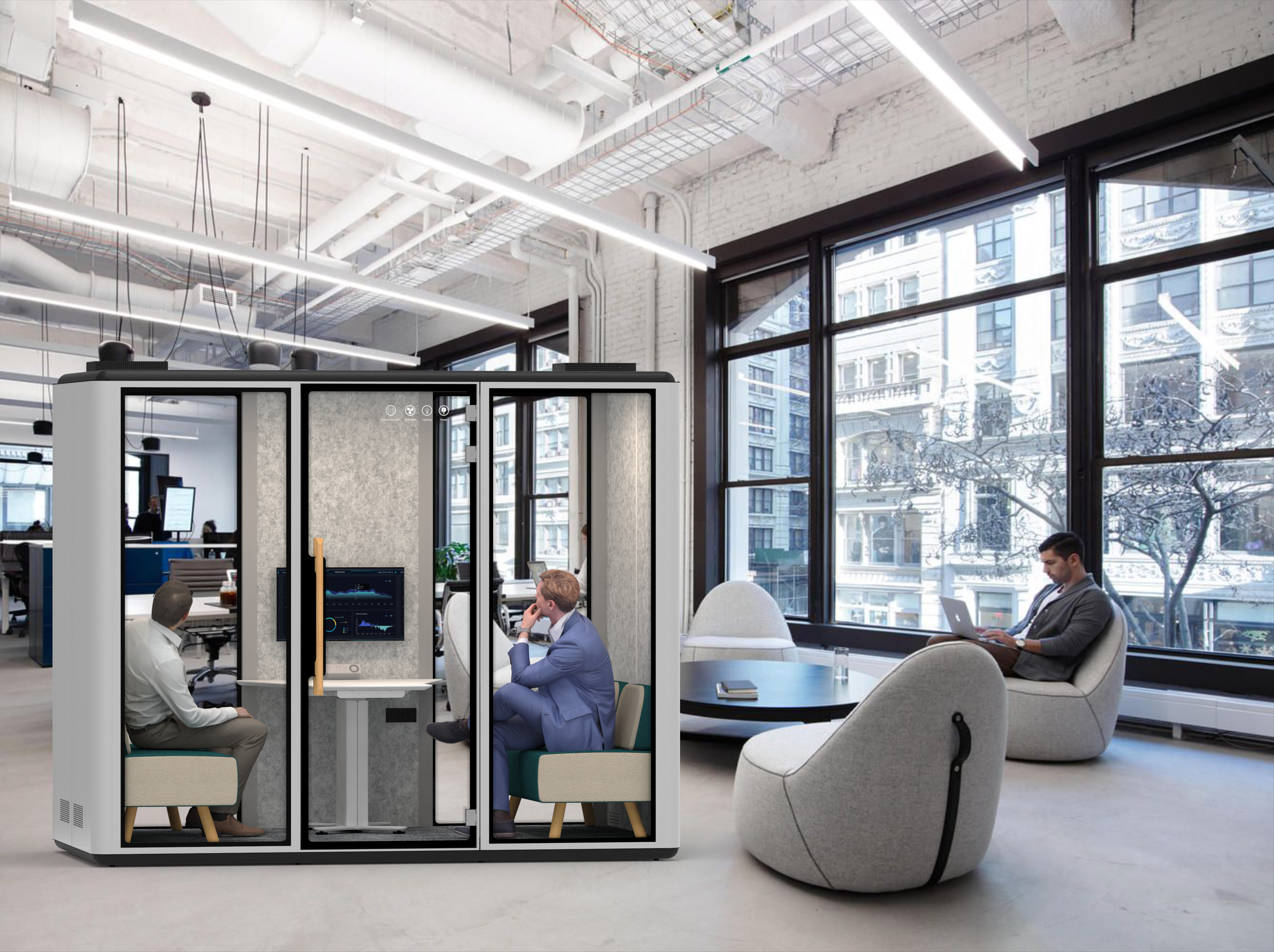
Our pods feature adaptive, shadow-free lighting and high-fidelity acoustics. This ensures that when you’re on camera, you look and sound like a leader, not someone calling from a broom closet. We don't just deliver a box; we deliver a professional broadcast environment that reinforces your company’s expertise to every client on the other side of the screen.
Is Your Office Ready for Tomorrow’s Call?
The hybrid era demands more than just desks and chairs; it demands a layout that respects the need for both connection and isolation. Don’t let a legacy office design hold back your team's potential.