Some furniture designs stay relevant for decades.
Not because they follow trends, but because they continue to make people feel comfortable in a space.
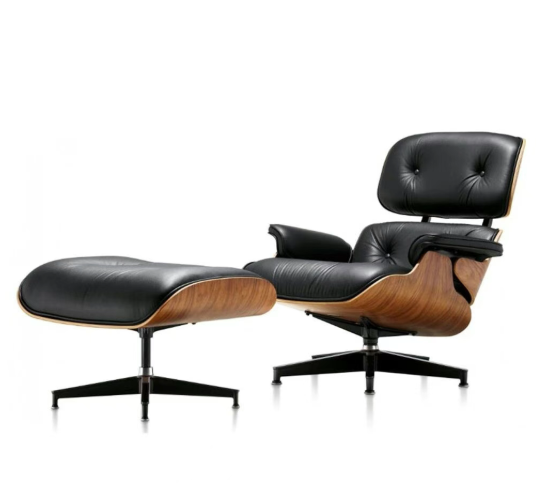
One well-known example is the classic lounge chair design created in the mid-20th century. Even today, it still appears in offices, studios, hotels, and creative spaces around the world. The shape is recognizable, but what makes the design last is not only its appearance. It is the balance between visual simplicity, comfort, and the overall experience it creates.
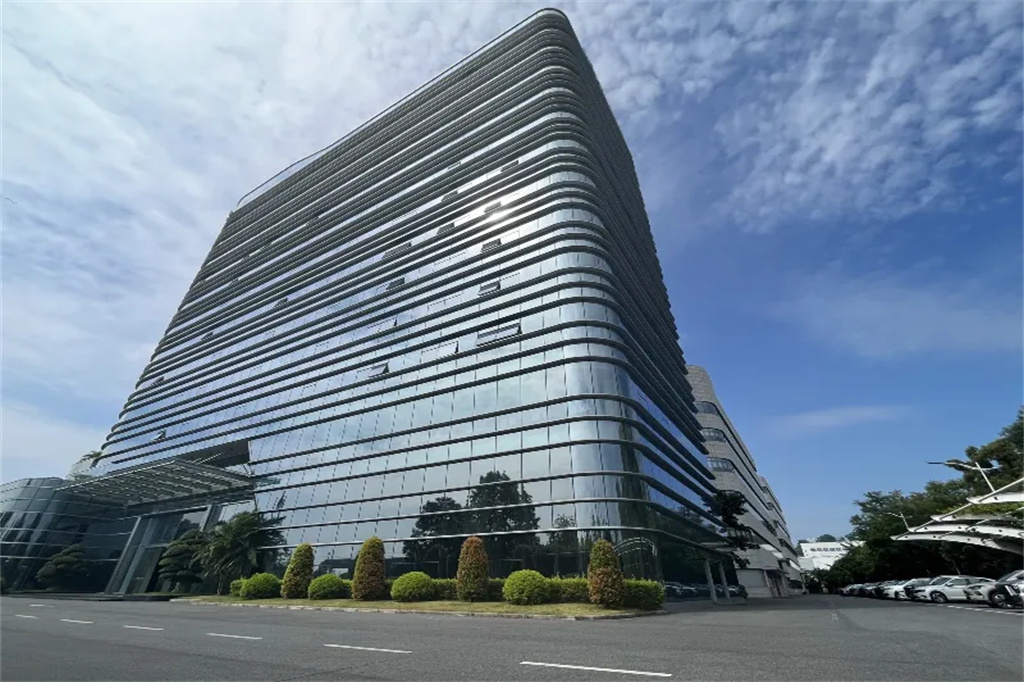
That same idea is becoming increasingly visible in modern workspace design.
For many years, office planning focused mainly on function. Desks were arranged to maximize capacity. Meeting rooms were designed for efficiency. Furniture was often selected based on practicality alone.
But expectations have gradually changed.
Today, companies are paying more attention to how people actually experience a workspace throughout the day. Comfort, movement, lighting, privacy, and aesthetics are no longer treated as separate elements. More businesses are beginning to look at the office as a complete environment rather than a collection of individual products.
This shift reflects a broader change in how modern offices are being designed. Spaces are no longer expected to simply “work.” They are expected to feel comfortable, visually balanced, and adaptable at the same time.
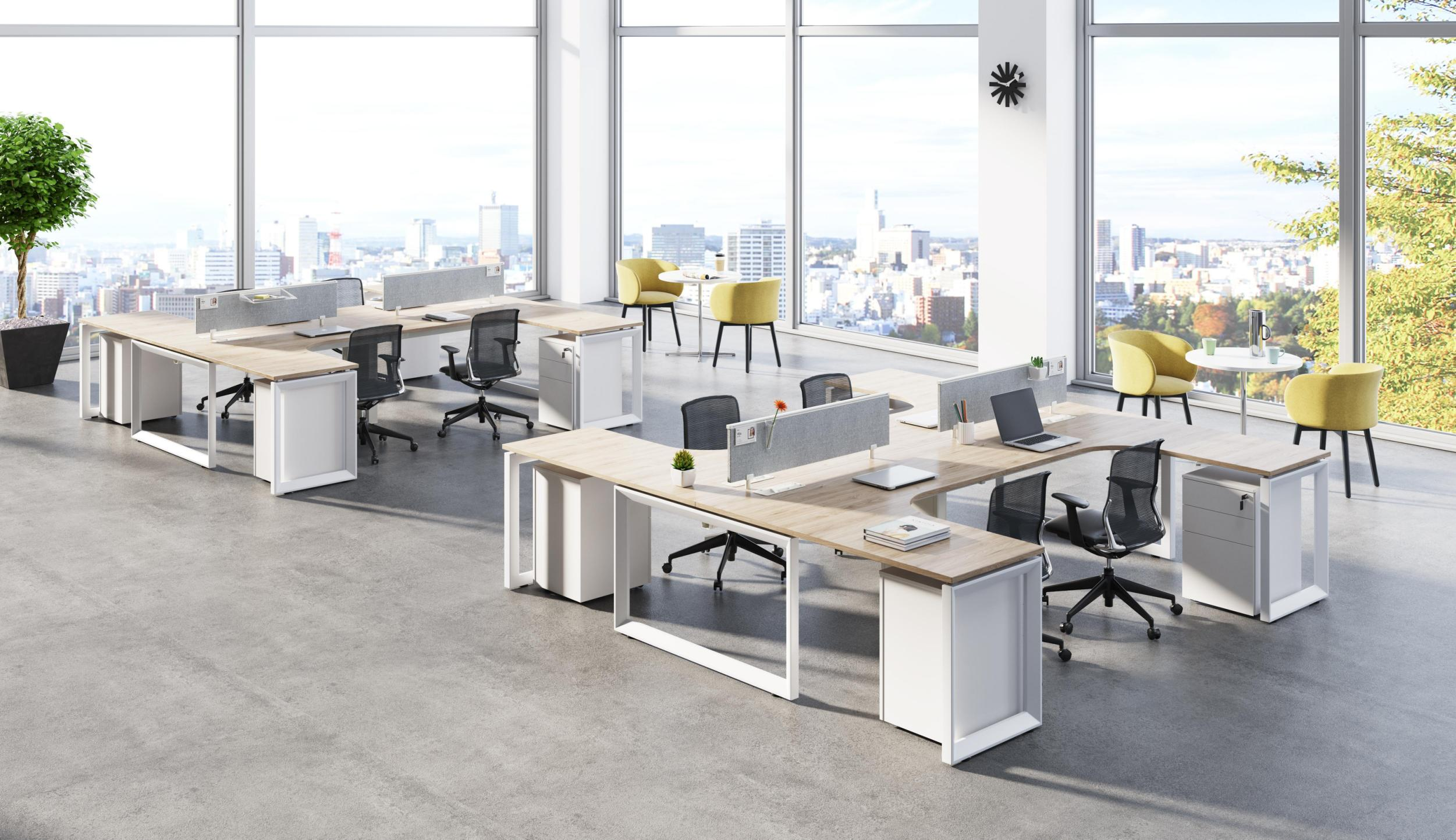
This change can already be seen in many workplaces.
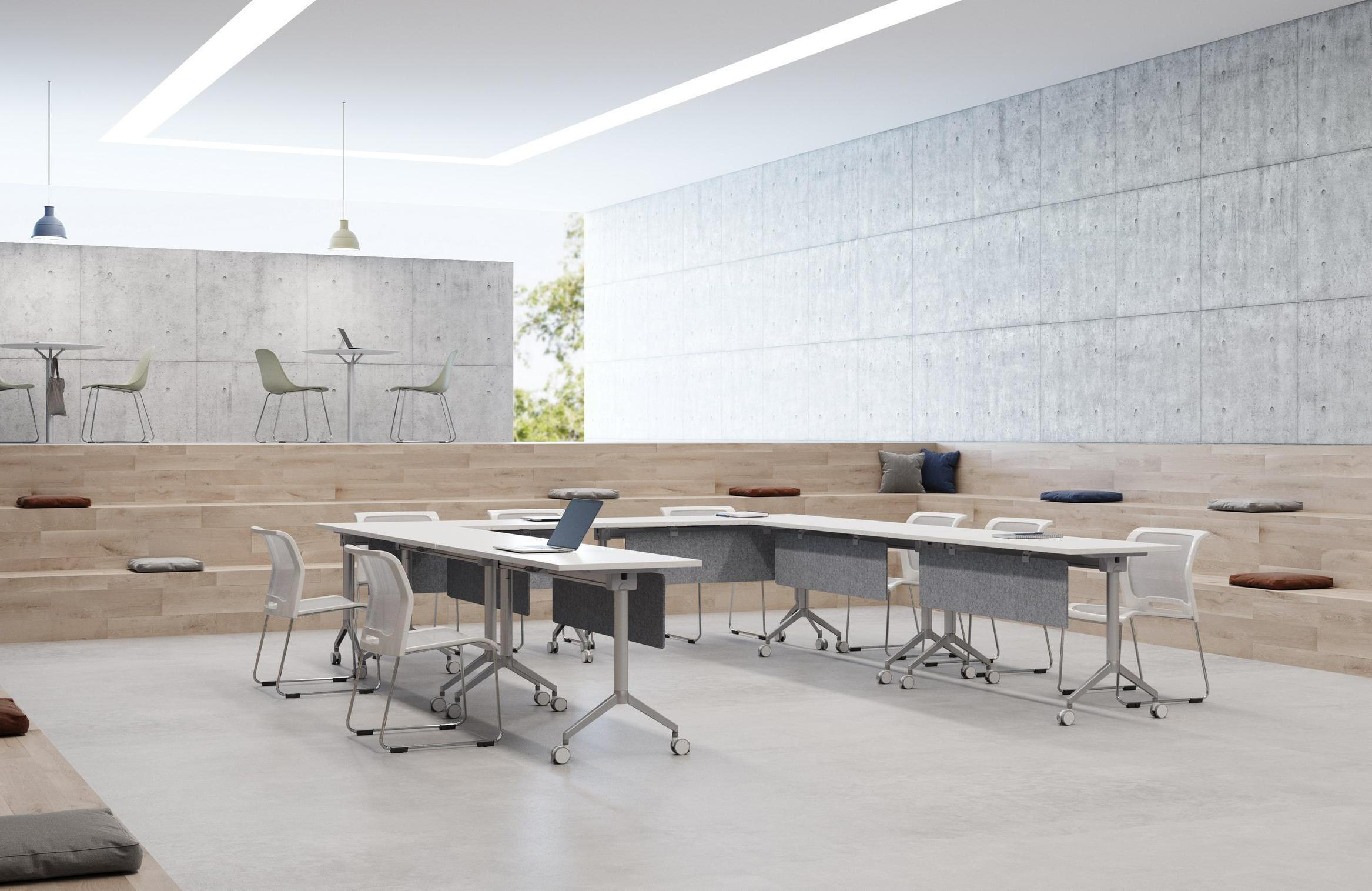
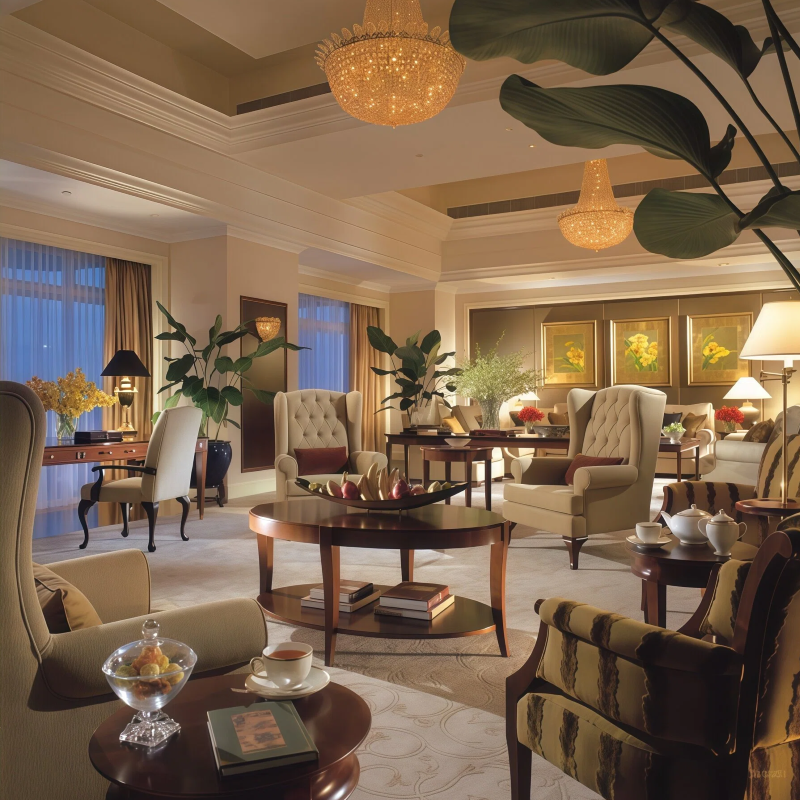
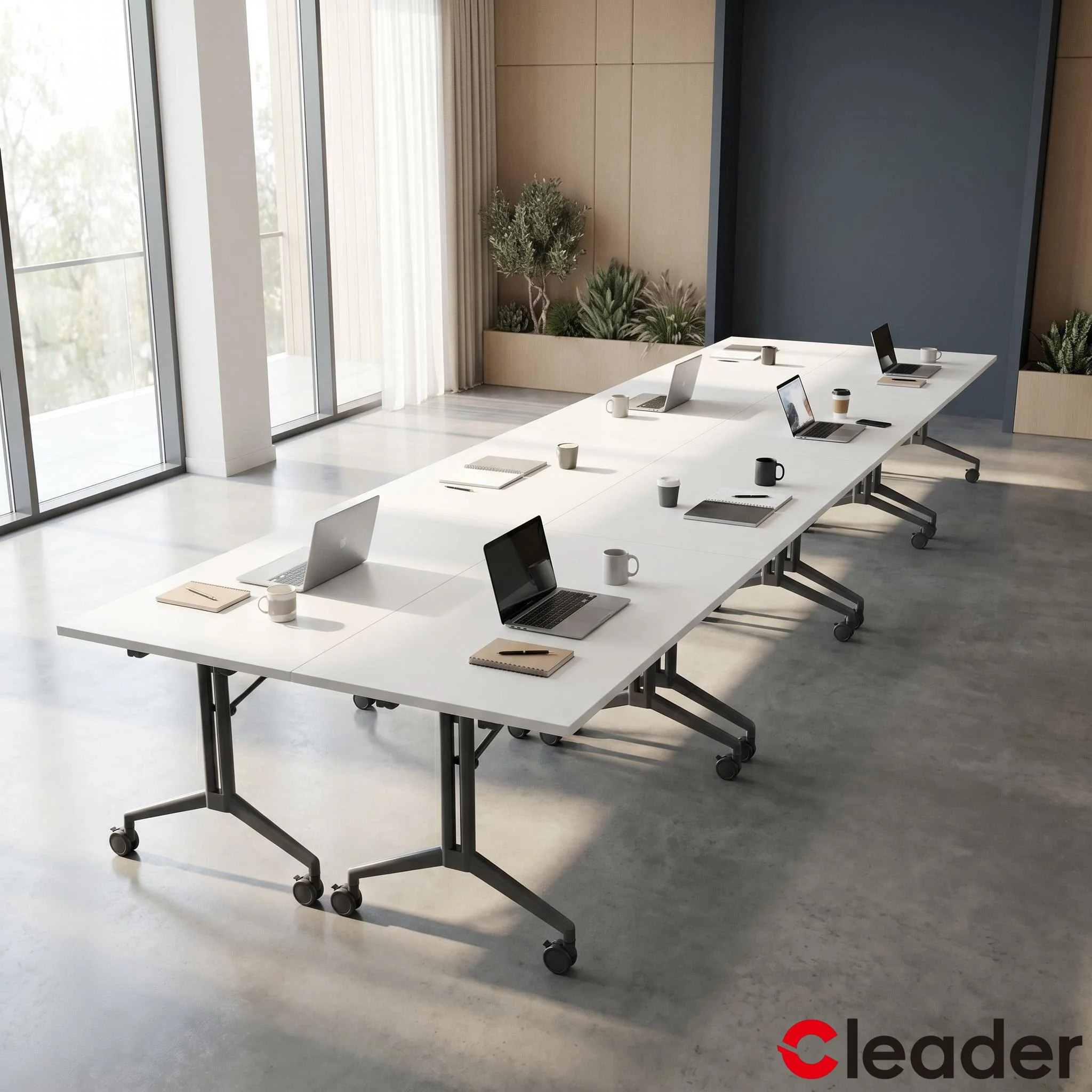
Open collaboration areas are becoming softer and more welcoming. Training rooms are designed with flexible layouts instead of fixed seating. Lounge areas are being integrated into office planning rather than treated as decorative corners.
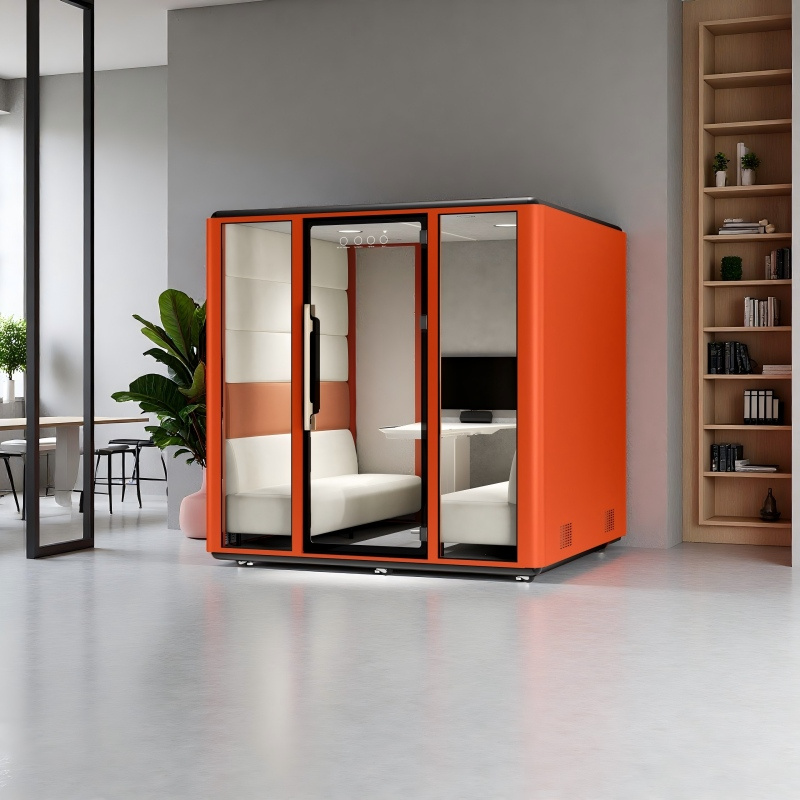
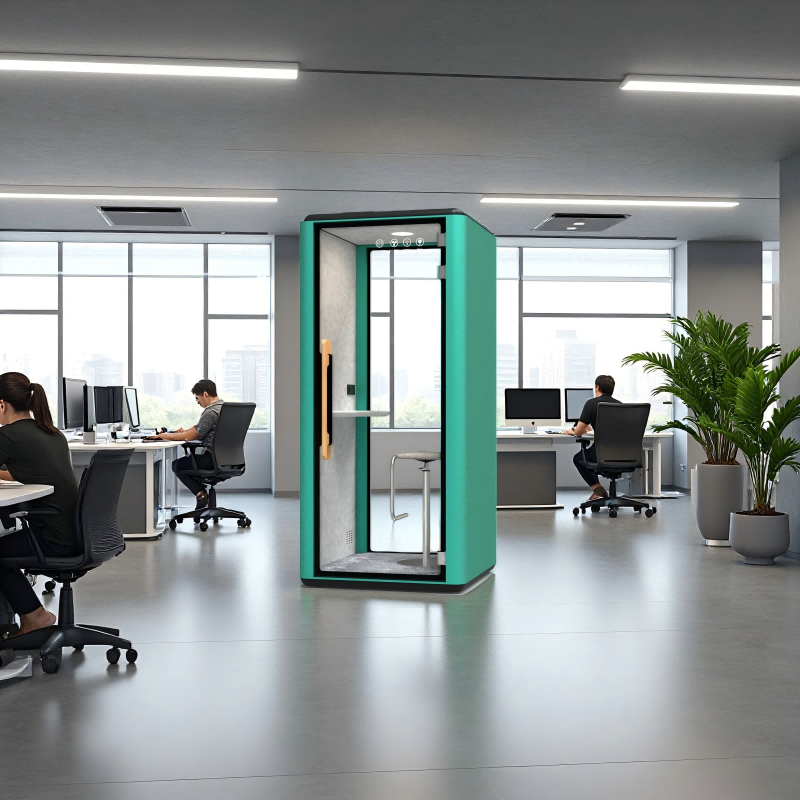
Even private workspaces are evolving. Acoustic pods and quiet booths are increasingly being used to support focus without interrupting the openness of the office. Instead of separating people completely, these spaces create a balance between collaboration and privacy.
At the same time, companies are also paying more attention to how different areas connect visually. Materials, colors, lighting, and furniture are being selected more carefully to create a more unified environment.
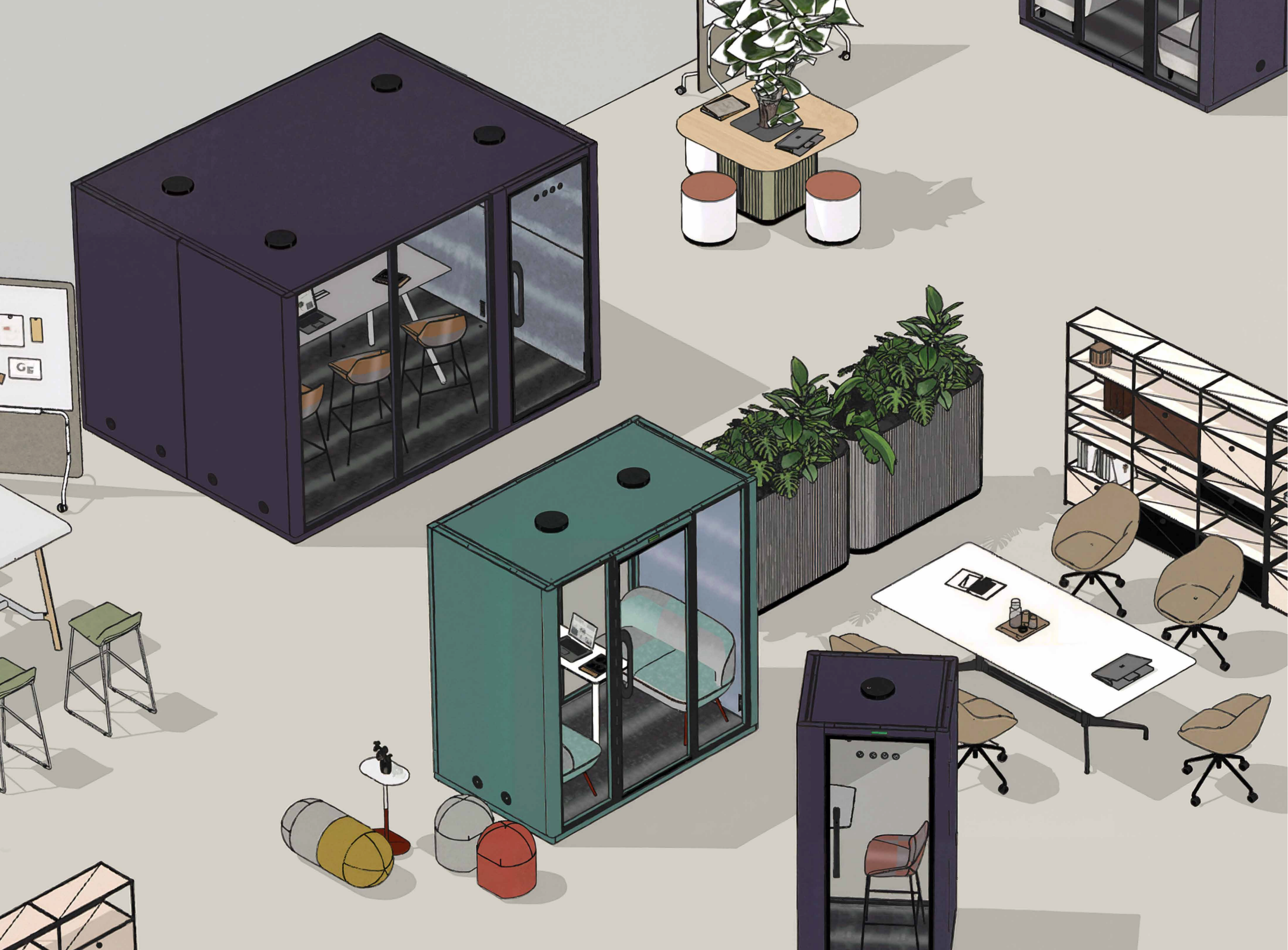
Furniture itself now plays a different role than before.
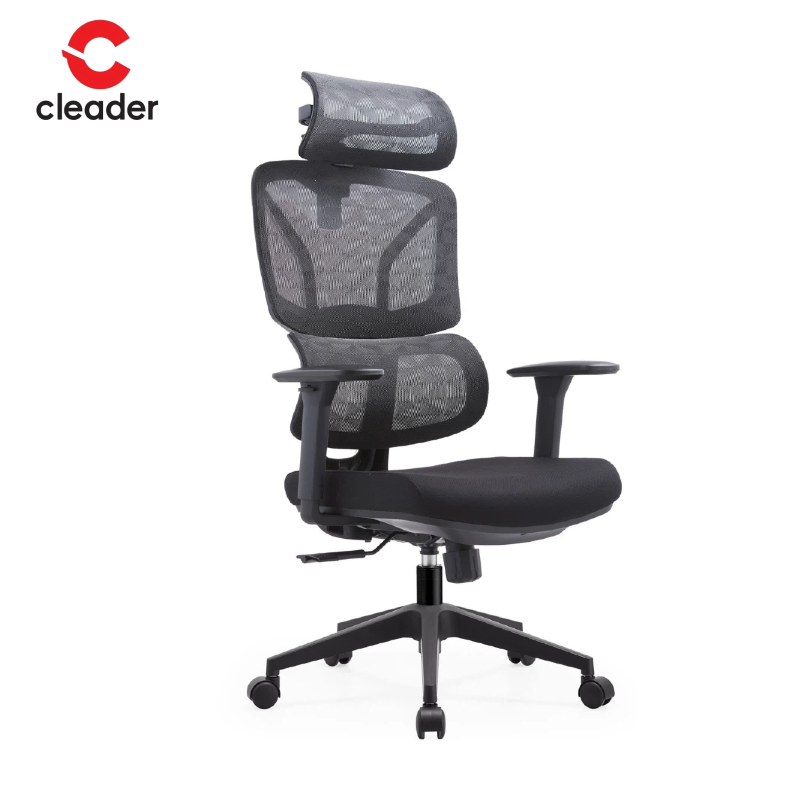
A chair is no longer only a chair. A meeting table is not simply a surface for laptops and documents. These elements influence how long people feel comfortable staying in a space, how naturally conversations happen, and even how teams interact during the day.
In many projects today, aesthetics and usability are expected to work together.
Minimalist lines, warm materials, softer tones, and more flexible configurations are appearing across modern offices because companies want spaces that feel professional without feeling cold. At the same time, practicality still matters. Furniture must adapt to changing layouts, hybrid work patterns, and different styles of collaboration.
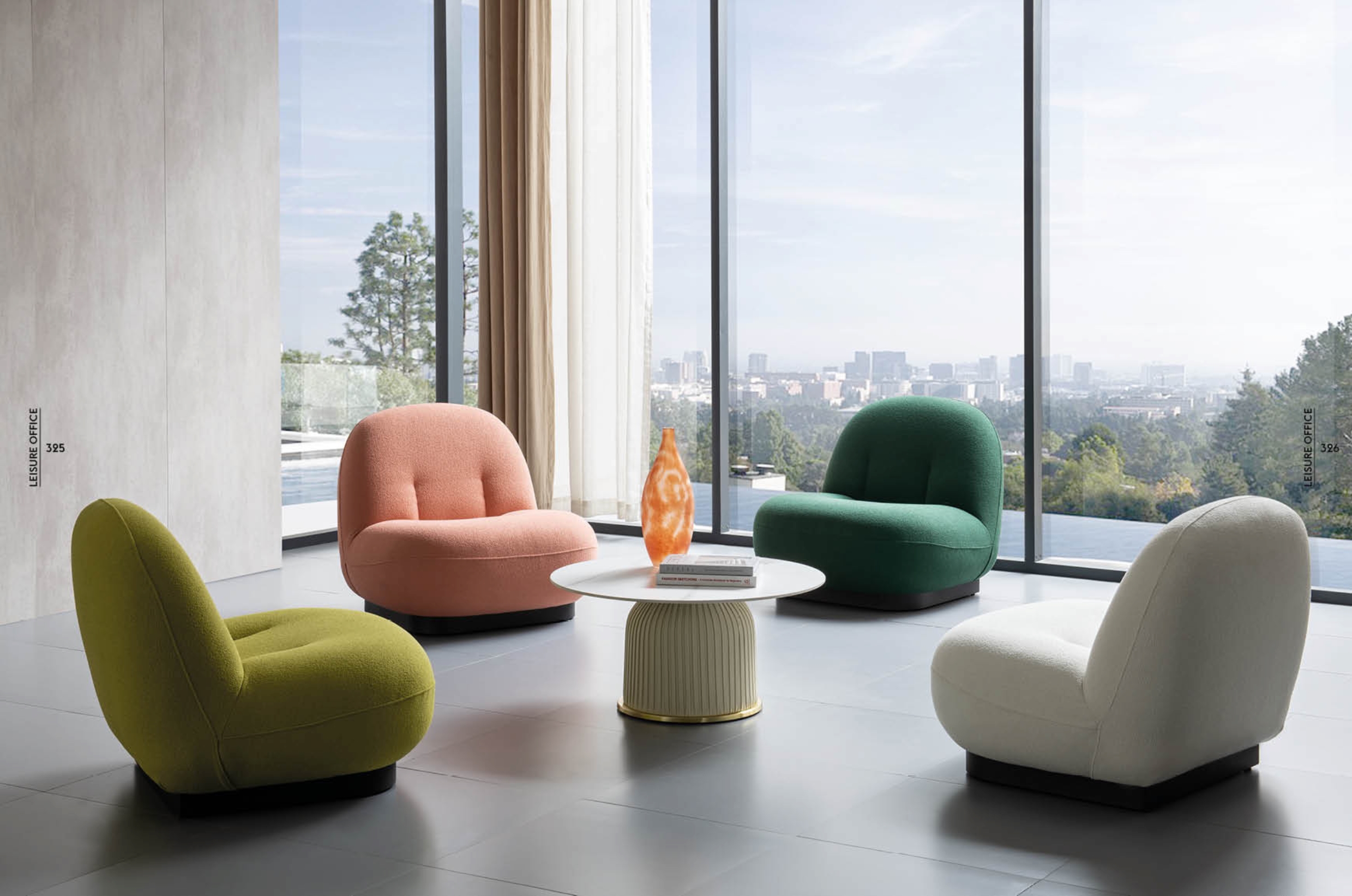
The modern workspace is rarely static anymore.
Training areas may also serve as meeting rooms. Quiet zones may become temporary workstations. Public-facing areas are expected to feel welcoming while still supporting productivity.
As office needs continue to evolve, businesses are looking for workspace solutions that can adjust with them instead of remaining fixed.
This is one reason modular furniture, movable layouts, and flexible acoustic solutions are becoming more common across offices, educational spaces, and shared environments.
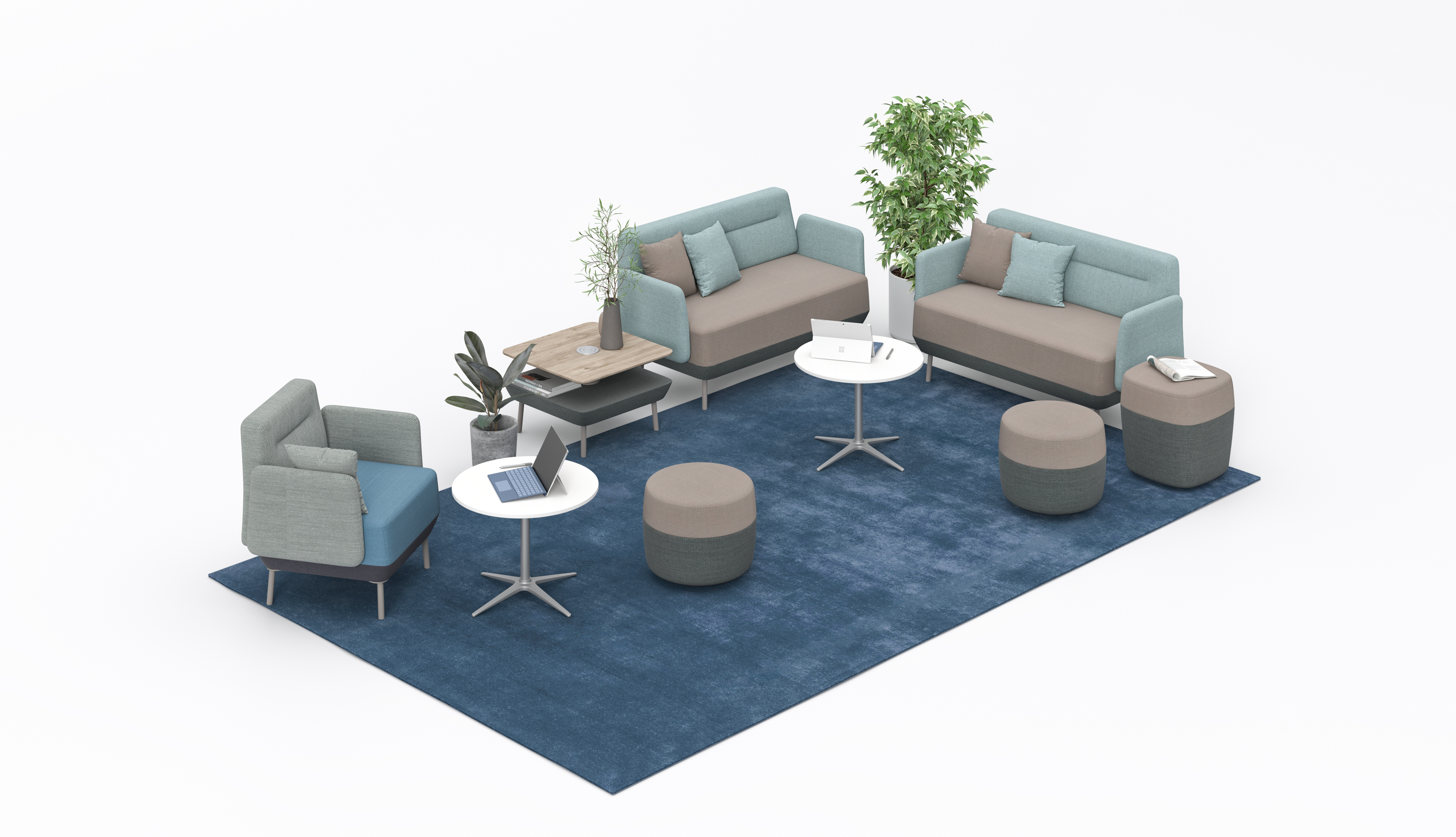
At Cleader, this idea is reflected in how we approach workspace planning and product development.
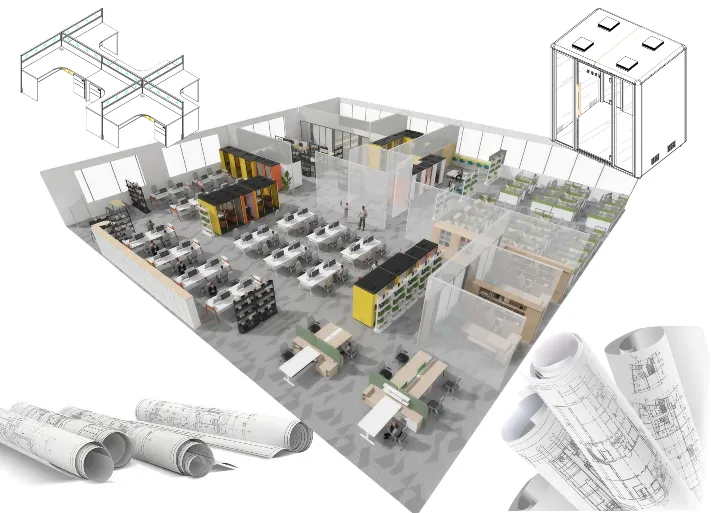
In addition to office furniture, we also provide solutions such as training furniture, collaborative workspace setups, and soundproof pods designed for modern working environments. Rather than focusing on individual products alone, we pay attention to how furniture, layout, acoustics, and visual consistency work together within the same space.
Because in the end, a well-designed workspace is not only about appearance.
It is about how people feel when they walk into the room, how naturally they can work, communicate, and focus, and whether the space continues to function comfortably over time.
Modern offices are changing. And increasingly, the spaces people remember are the ones that successfully combine comfort, design, and flexibility together.
Copyright © Foshan Cleader Environmental Art Engineering Co., Ltd. All Rights Reserved - Privacy Policy
 EN
EN


 Hot News