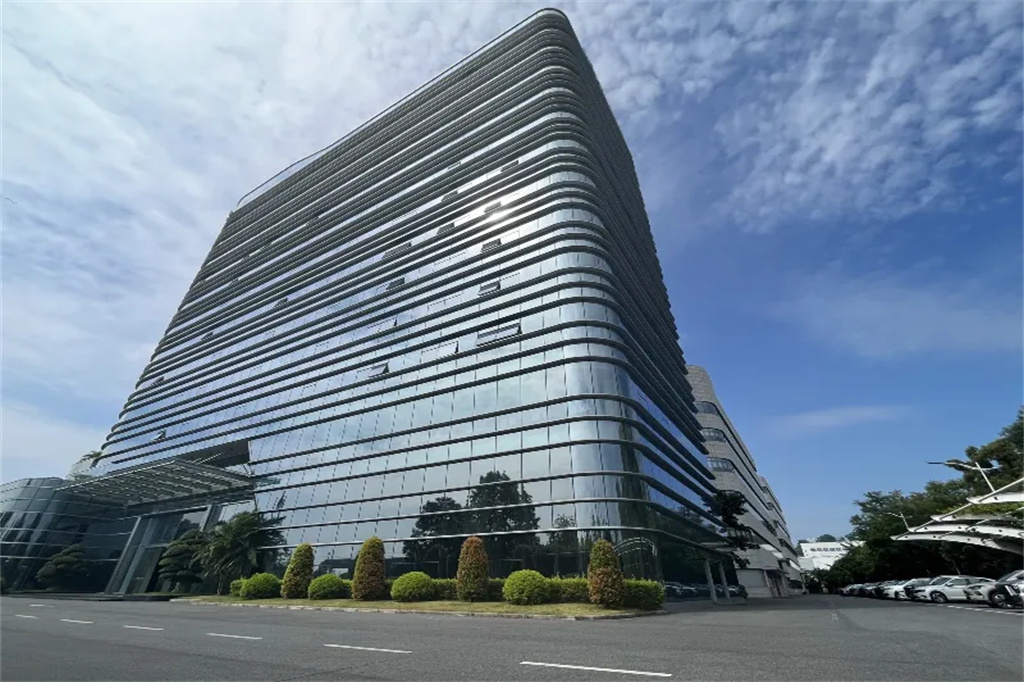
[Industry Insight] — As global enterprises pivot toward more resilient work models, the definition of a "supportive office" is being rewritten. This week, we explore the convergence of technical infrastructure and human sensory needs in the next generation of agile workspaces.
From Passive Containers to Active Ecosystems The role of the corporate office is undergoing a fundamental identity shift. It is no longer a passive container for bodies and desks; instead, it is evolving into an active ecosystem designed to catalyze innovation. For modern, high-growth enterprises, the workspace must function as a strategic asset. The goal is to move beyond rigid, legacy layouts toward fluid environments that can recalibrate based on the specific tasks performed at any given hour. A supportive workspace today must be "smart" enough to provide a seamless backdrop for both high-intensity collaboration and deep, contemplative focus.
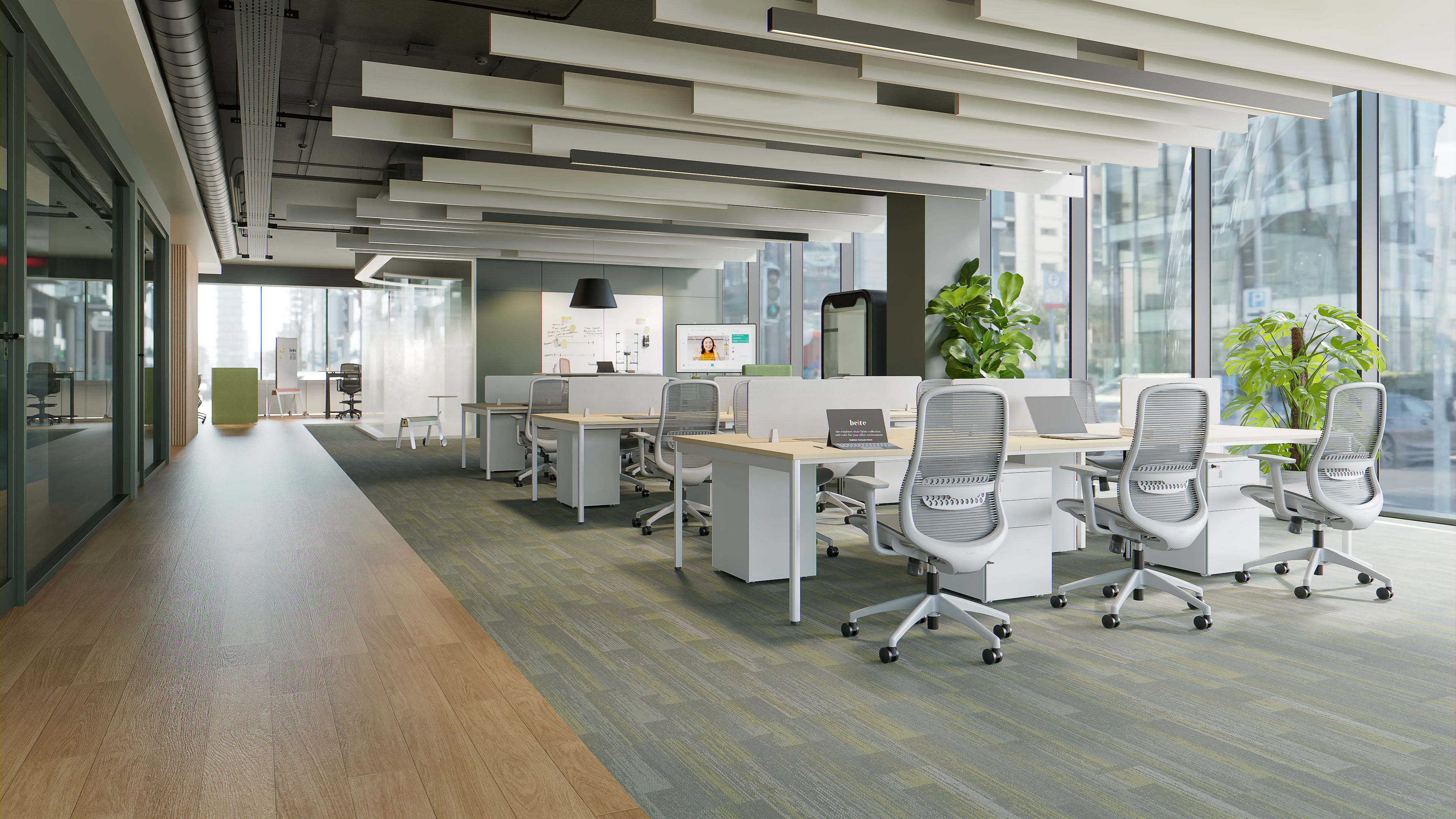
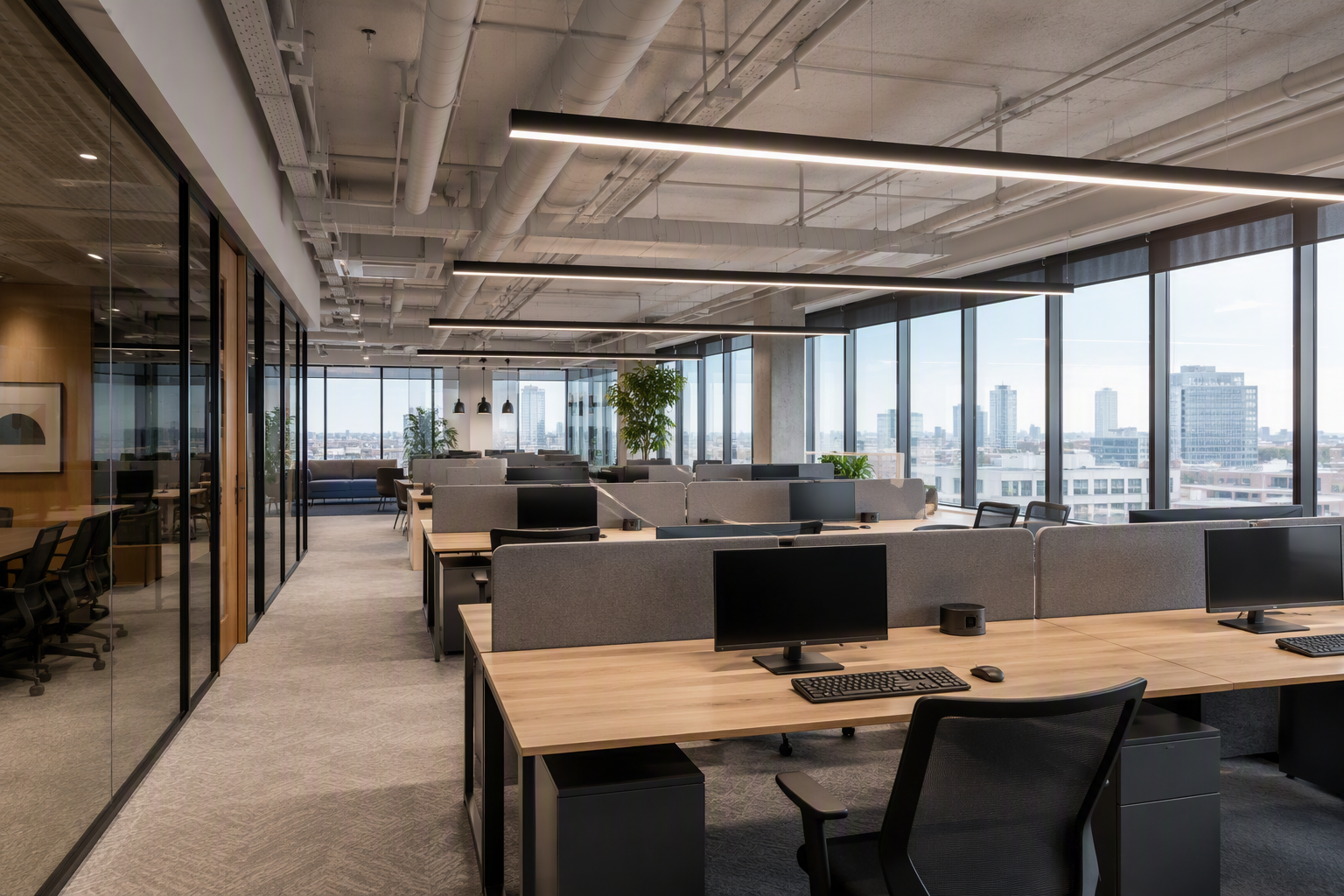
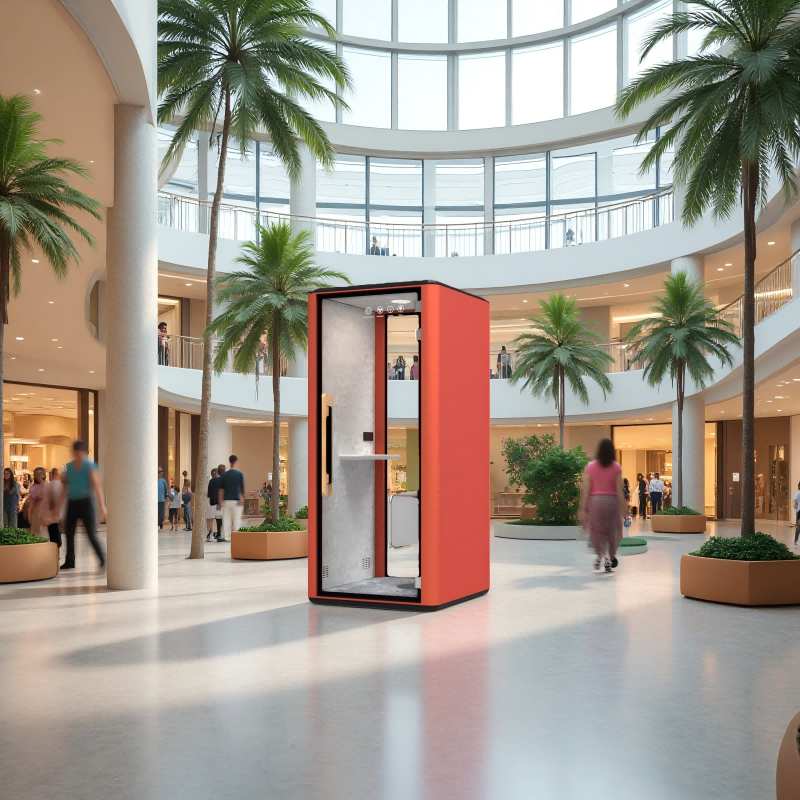
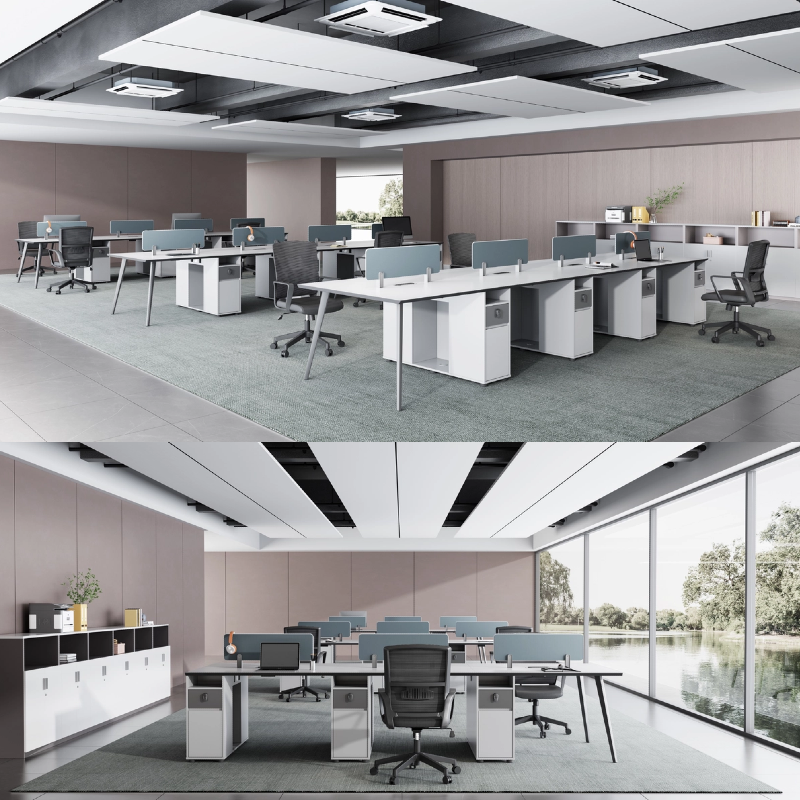
The Hybrid Logic: Spatial Diversity as a Productivity Driver A truly agile workspace is built on the principle of "Spatial Diversity." The modern employee is a "nomad" within their own building, moving through various zones as their workflow dictates. This requires a deliberate architectural mix: open-plan stations for team visibility, vibrant social hubs for informal exchange, and dedicated acoustic sanctuaries for private work. The inclusion of high-performance soundproof pods within an open-office framework is a critical component of this mix. These "quiet islands" act as psychological safety nets, ensuring that when the sensory noise of a collaborative floor becomes overwhelming, a high-focus refuge is always within reach. This balance effectively mitigates the "distraction tax" often associated with open-office environments.
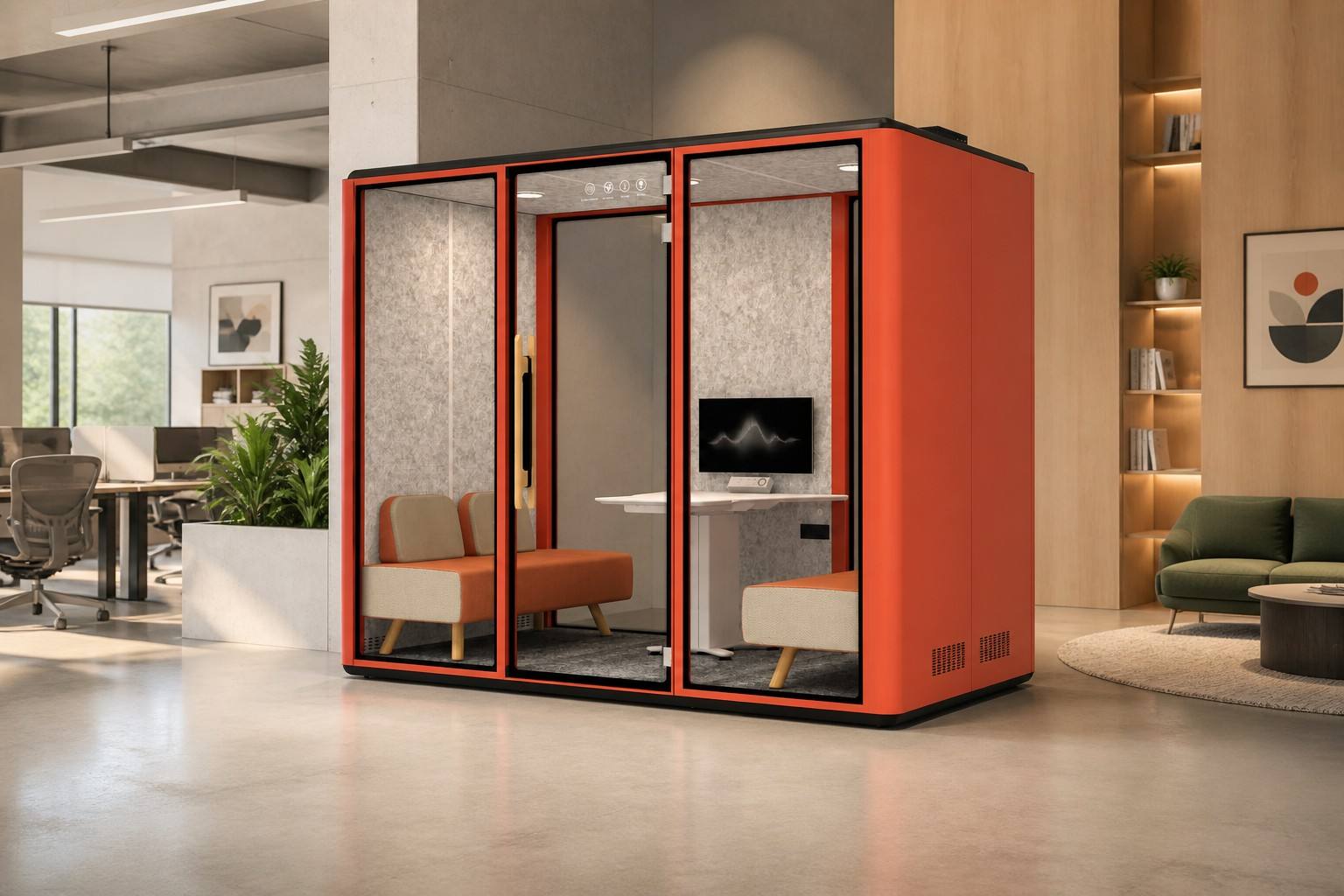
Infrastructure-as-a-Service: The Era of Invisible Technology Innovation in office design is increasingly focused on the "invisible layer." A high-performance workplace treats IT and building systems not as add-ons, but as integrated foundations. We are seeing a move toward the "equipment-ization" of space. In an all-scenario solution, acoustic pods and modular meeting rooms are natively integrated with the building’s core infrastructure—HVAC, smart lighting, and high-speed IT connectivity. When a quiet booth functions as a plug-and-play extension of the building’s power and ventilation systems, it ceases to be a piece of furniture and becomes a high-functioning production tool. This level of technical integration ensures that the environment is always optimized for the user, regardless of occupancy density.
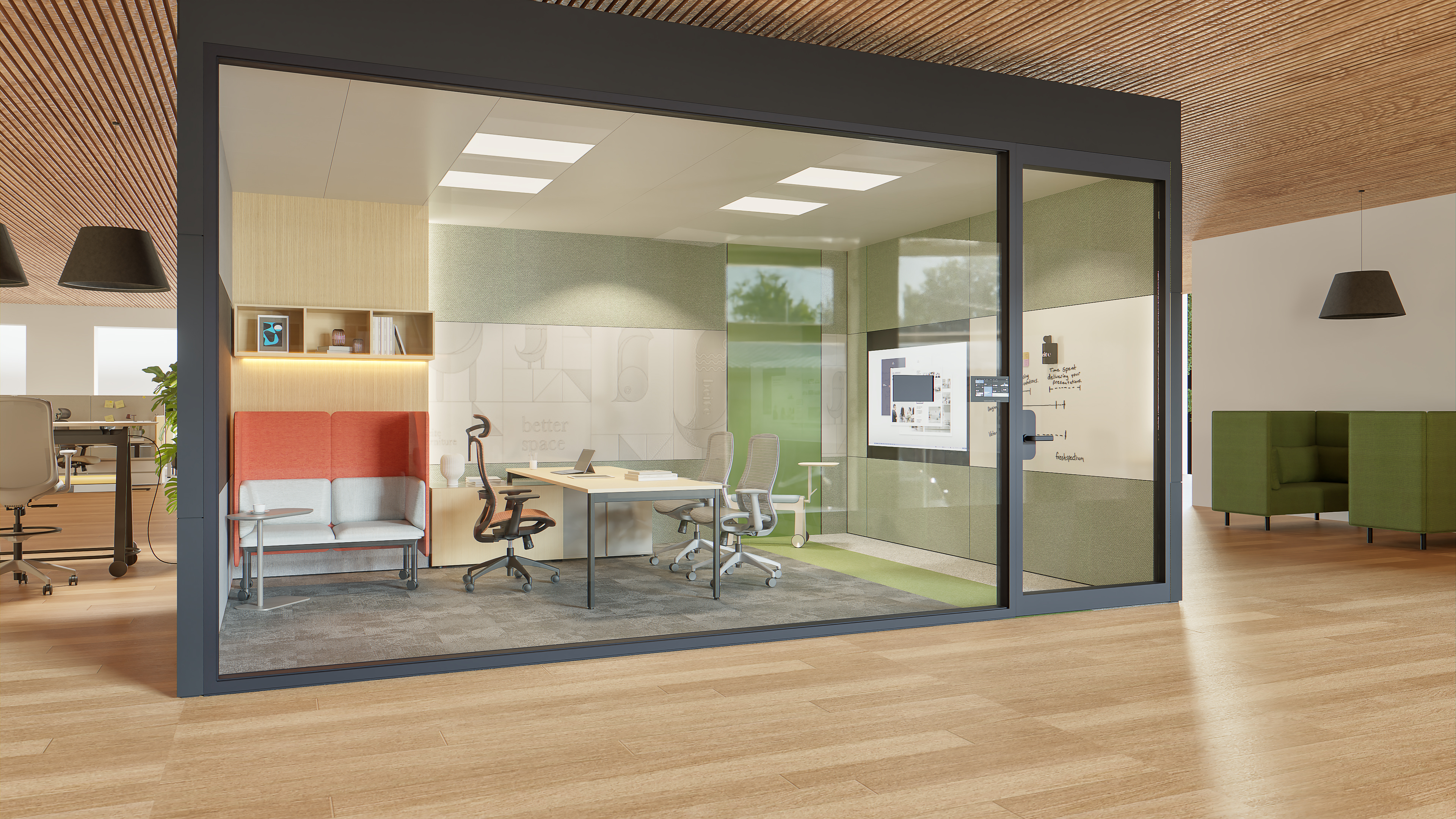
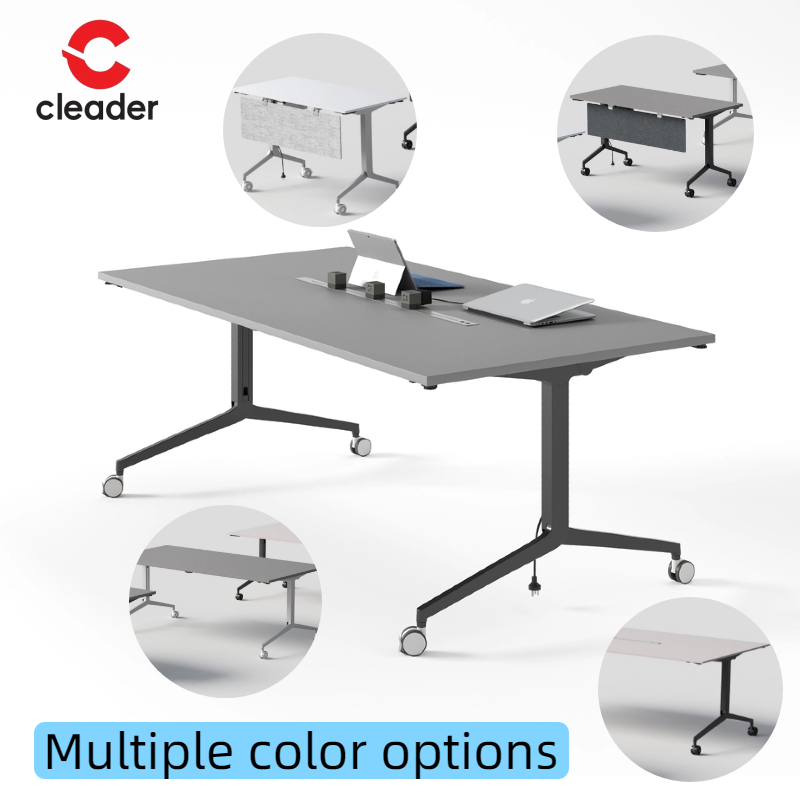
Circular Design: Future-Proofing through Modular Sustainability Sustainability has transitioned from a corporate social responsibility (CSR) checkbox to a core financial strategy. Circular design principles are now the industry standard for resilient workplaces. The focus is shifting toward "modular assets"—elements like prefabricated acoustic rooms and flexible furniture systems that can be reconfigured or moved as a company scales. Unlike traditional fixed fit-outs, which become waste when a lease ends, modular solutions represent a "movable asset" that retains value over time. Utilizing recycled acoustic materials and eco-friendly finishes not only reduces the carbon footprint but also aligns the workspace with the values of a conscious workforce, creating a brand narrative that resonates with both employees and stakeholders.
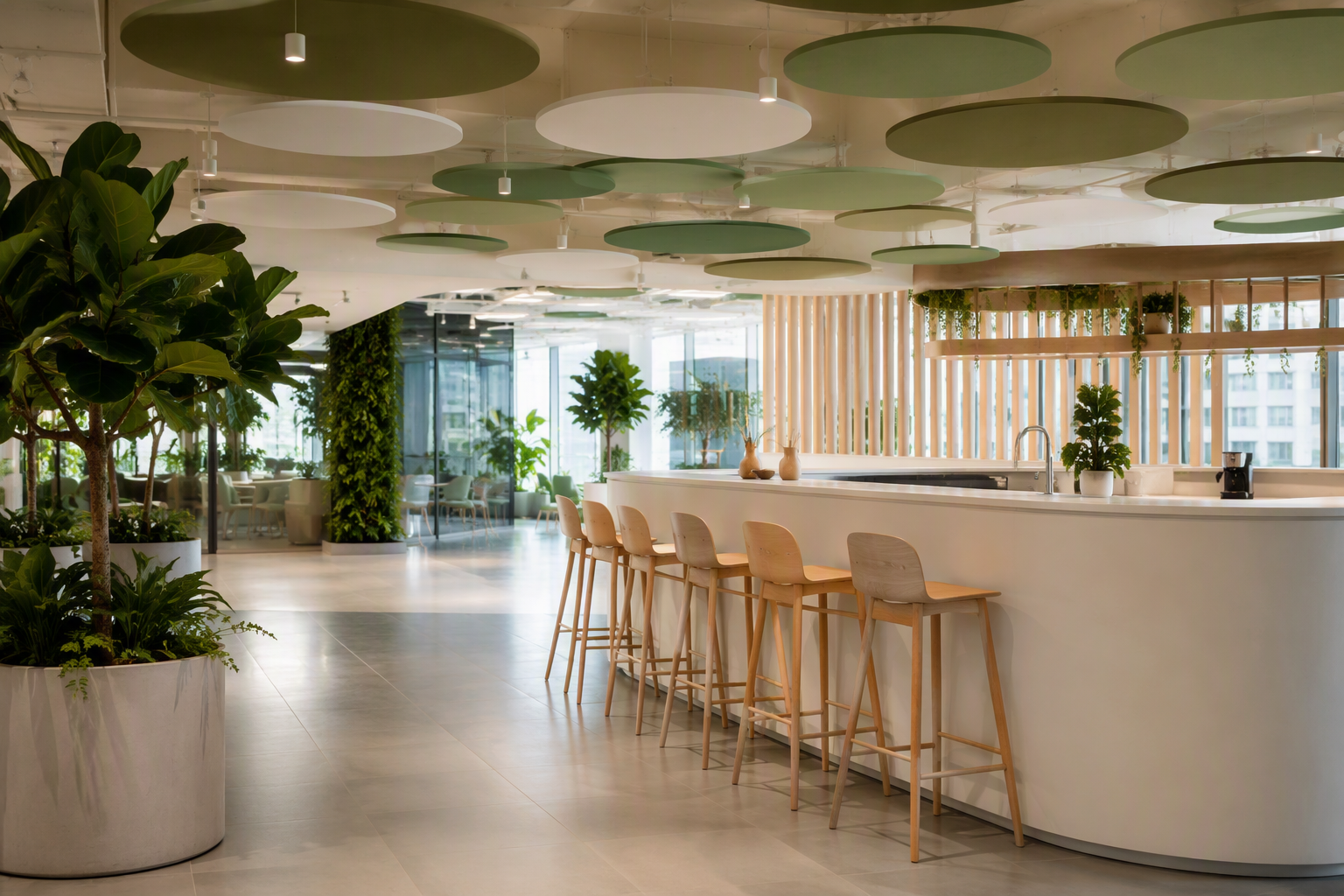
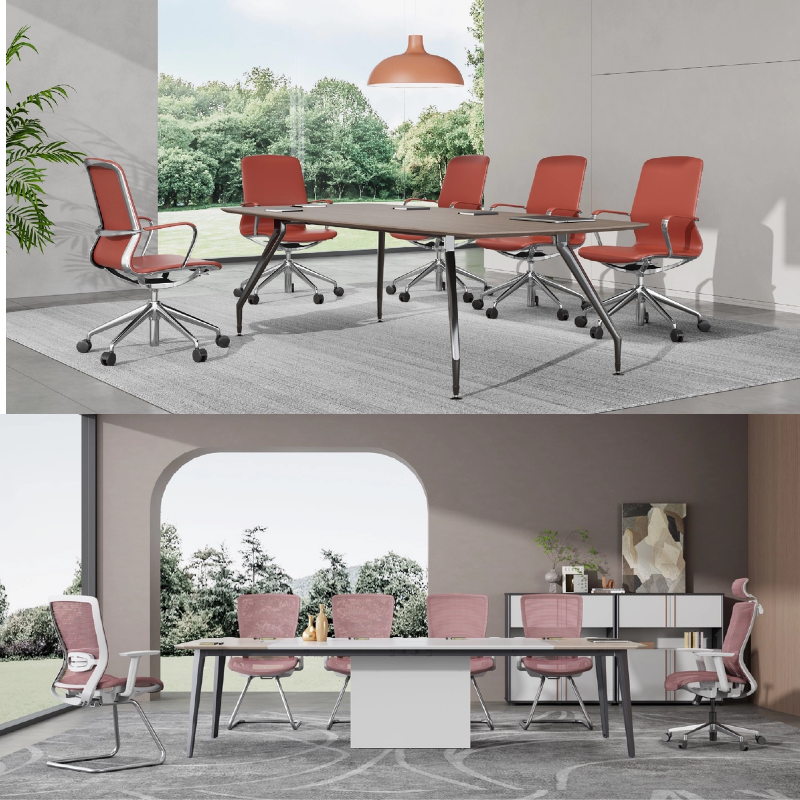
Space as a Narrative for Brand and Culture The most successful offices do more than facilitate work; they communicate identity. Every material choice, from the haptic quality of a fabric to the acoustic warmth of a focus zone, tells a story about how a company values its people. By prioritizing adaptability and neuro-inclusive design, businesses create a "destination office"—a place where employees choose to be because it actively supports their best work. In the future of global commerce, the competitive edge will belong to those who view their office square footage not as a sunk cost, but as a dynamic engine for human potential.
Copyright © Foshan Cleader Environmental Art Engineering Co., Ltd. All Rights Reserved - Privacy Policy
 EN
EN


 Hot News