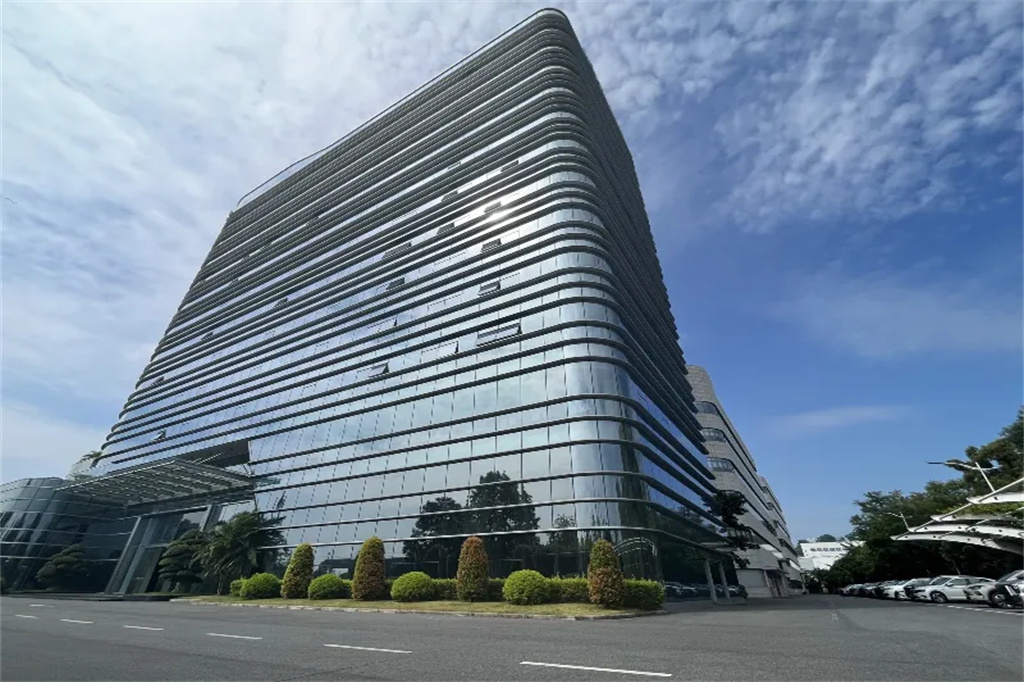
Over the past year, more companies have started to reconsider how meeting rooms are used in their offices.
For a long time, meeting rooms were treated as a standard part of workplace design. Most offices included a mix of large and small rooms, planned early and rarely adjusted afterward.That setup still exists in many workplaces today. However, usage patterns are beginning to shift.In some offices, larger meeting rooms remain unused for significant parts of the day. In others, they are occupied—but often for short calls or brief discussions that do not fully require the space.
Meetings themselves have not disappeared. In many cases, they have increased. What is changing is how they take place, and where they happen.
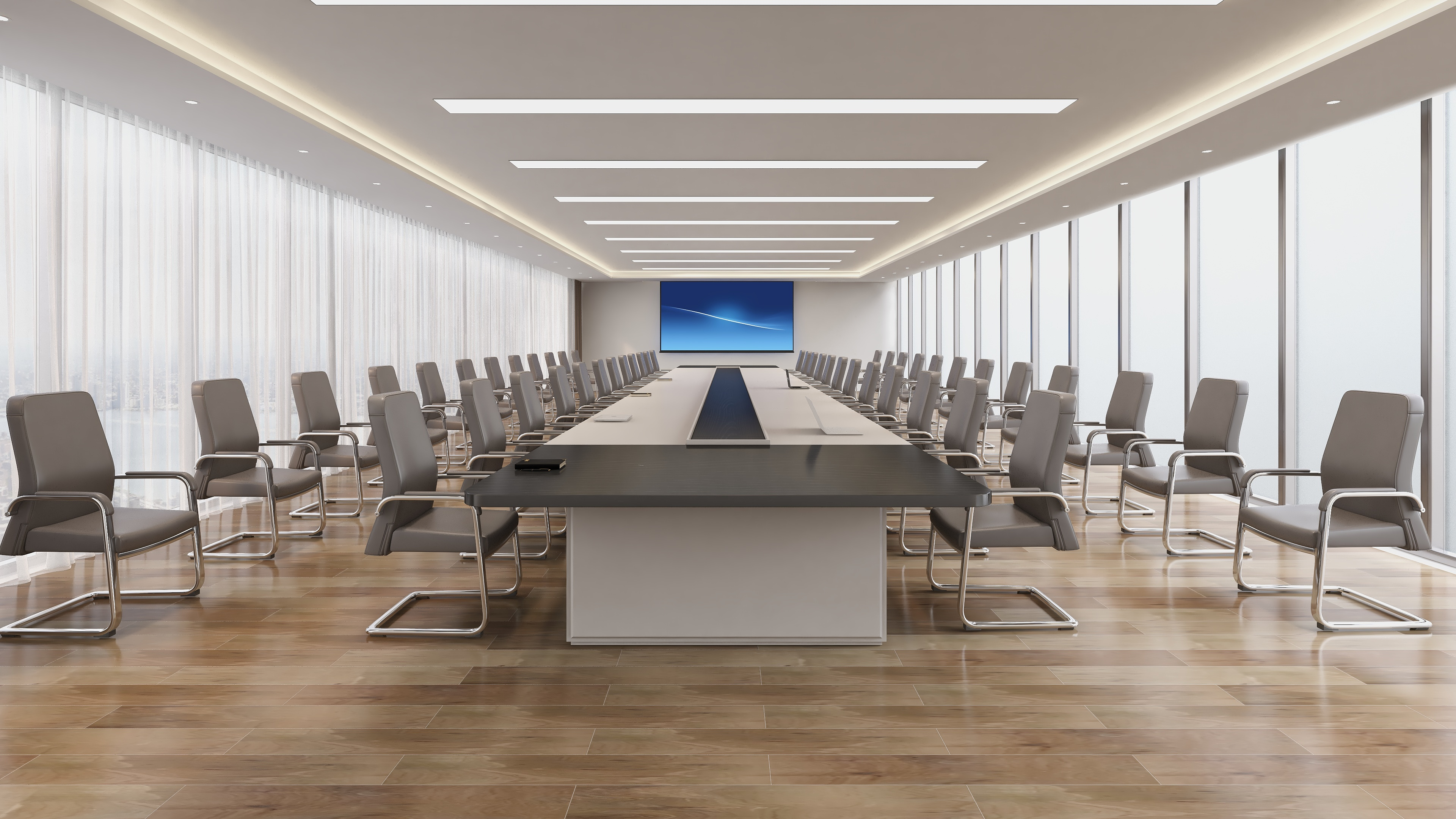
One of the factors behind this shift is the continued adoption of hybrid work.Employees are no longer present in the office at the same time. Some teams work on rotating schedules, while others split their time between home and office.
As a result, space usage has become less consistent.A meeting room may be fully booked on certain days and largely empty on others.At the same time, the nature of communication has evolved.Short calls, one-on-one discussions, and quick check-ins have become more common. These interactions often require privacy, but not necessarily a full-sized meeting room.
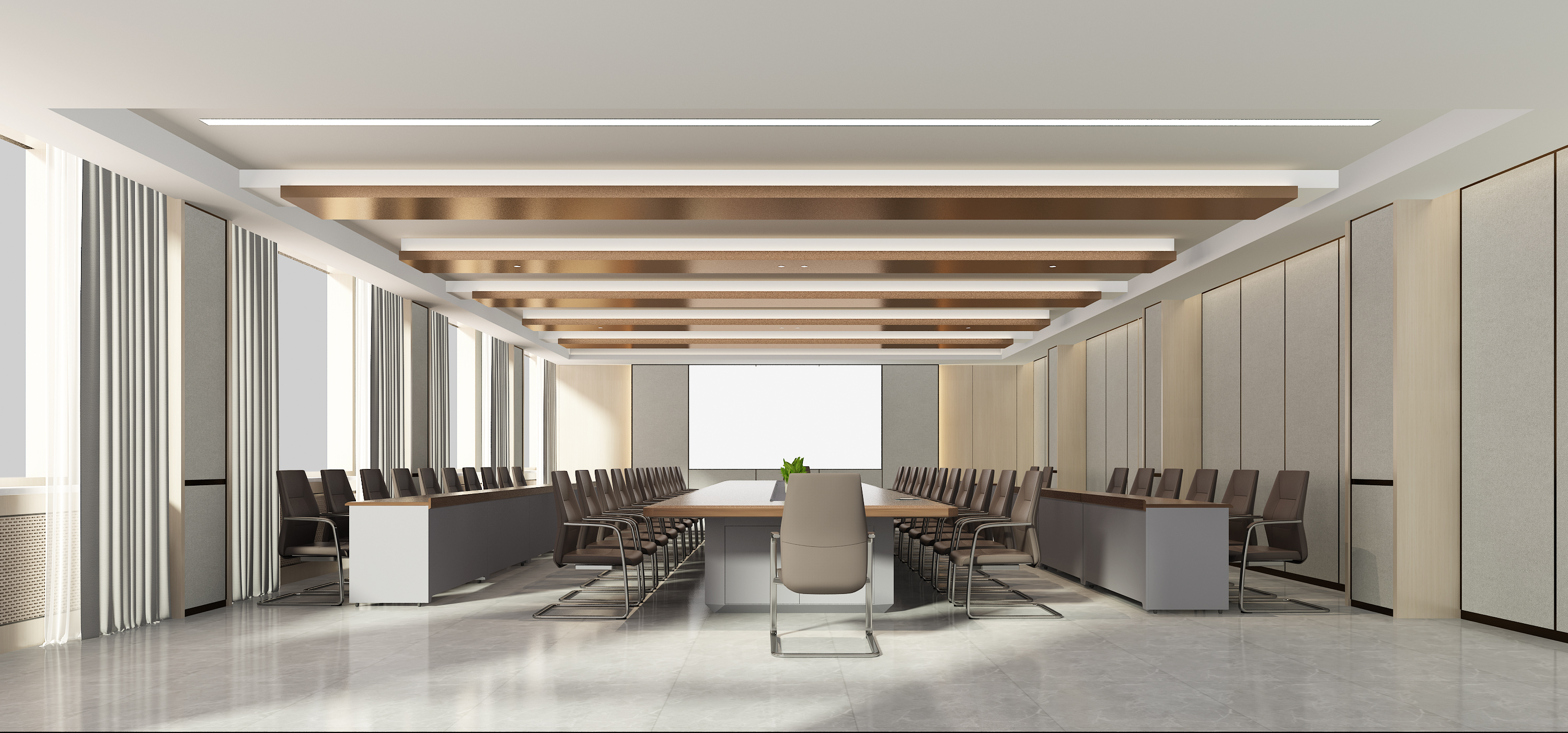
This shift has led many organizations to take a closer look at how their office space is actually being used.
In some cases, internal observations show that meeting rooms are frequently booked for convenience rather than necessity. Employees may reserve a room simply to find a quiet place for a call.Over time, these patterns have prompted companies to reassess how much space is allocated to traditional meeting rooms.Most are not removing them entirely. Meeting rooms remain essential for larger discussions and group collaboration.
However, adjustments are being made.
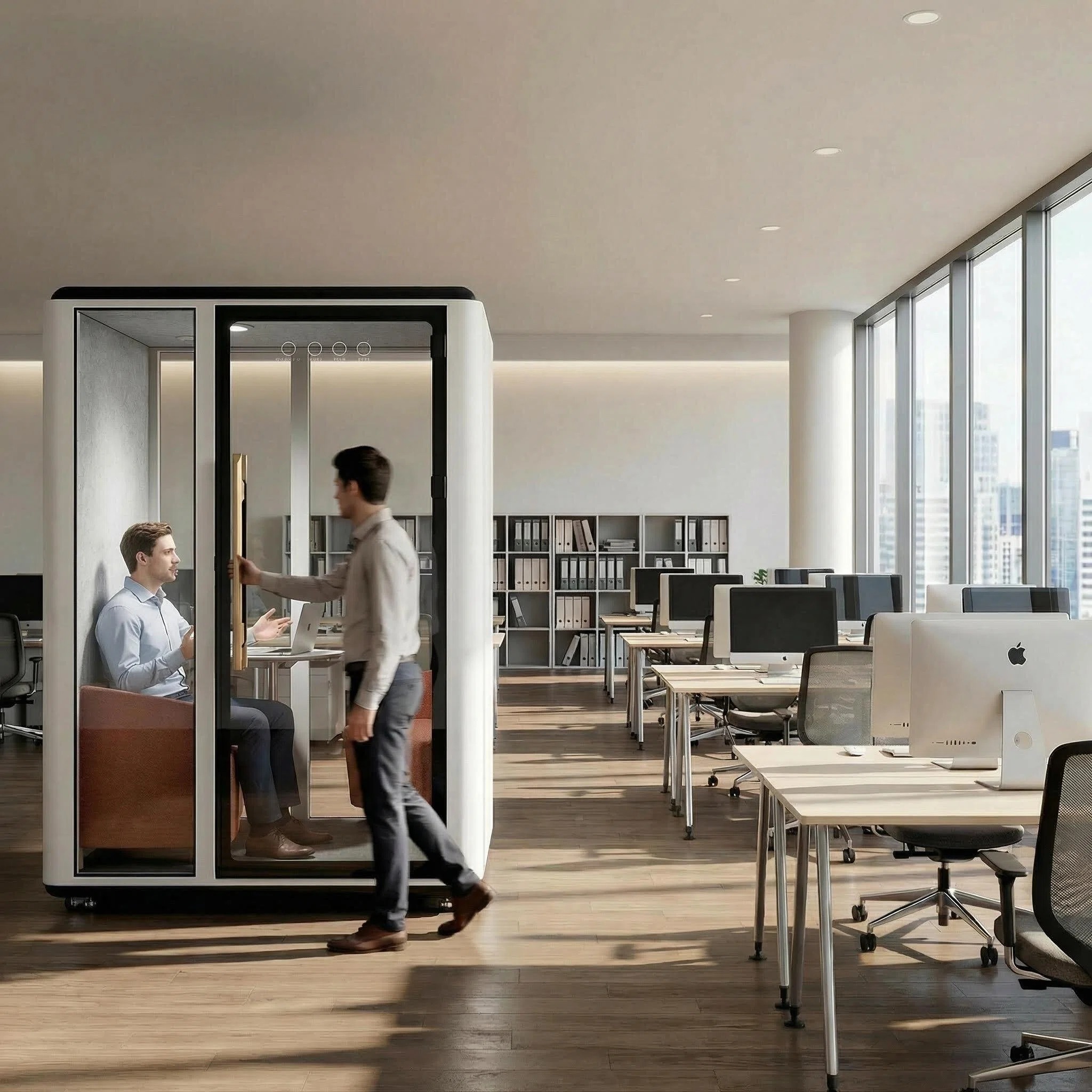
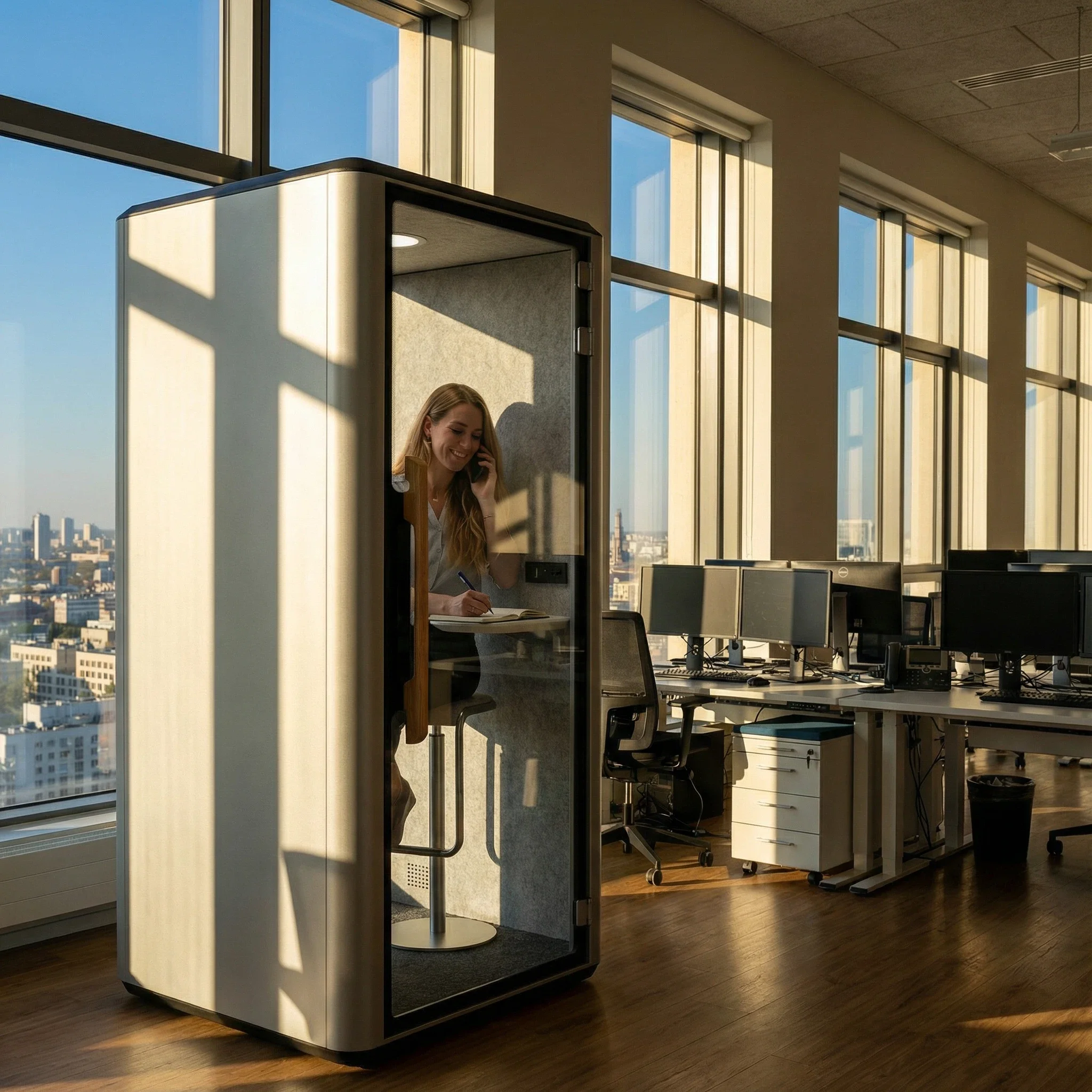
Instead of relying only on fixed meeting rooms, some companies are introducing smaller enclosed spaces, such as soundproof pods, that can be used more flexibly.
These spaces, often in the form of soundproof pods, are typically used for short calls, focused work, or small discussions.They do not replace meeting rooms, but they help reduce demand for them.In many cases, these smaller spaces are used more frequently because they are easier to access and better suited to everyday tasks.
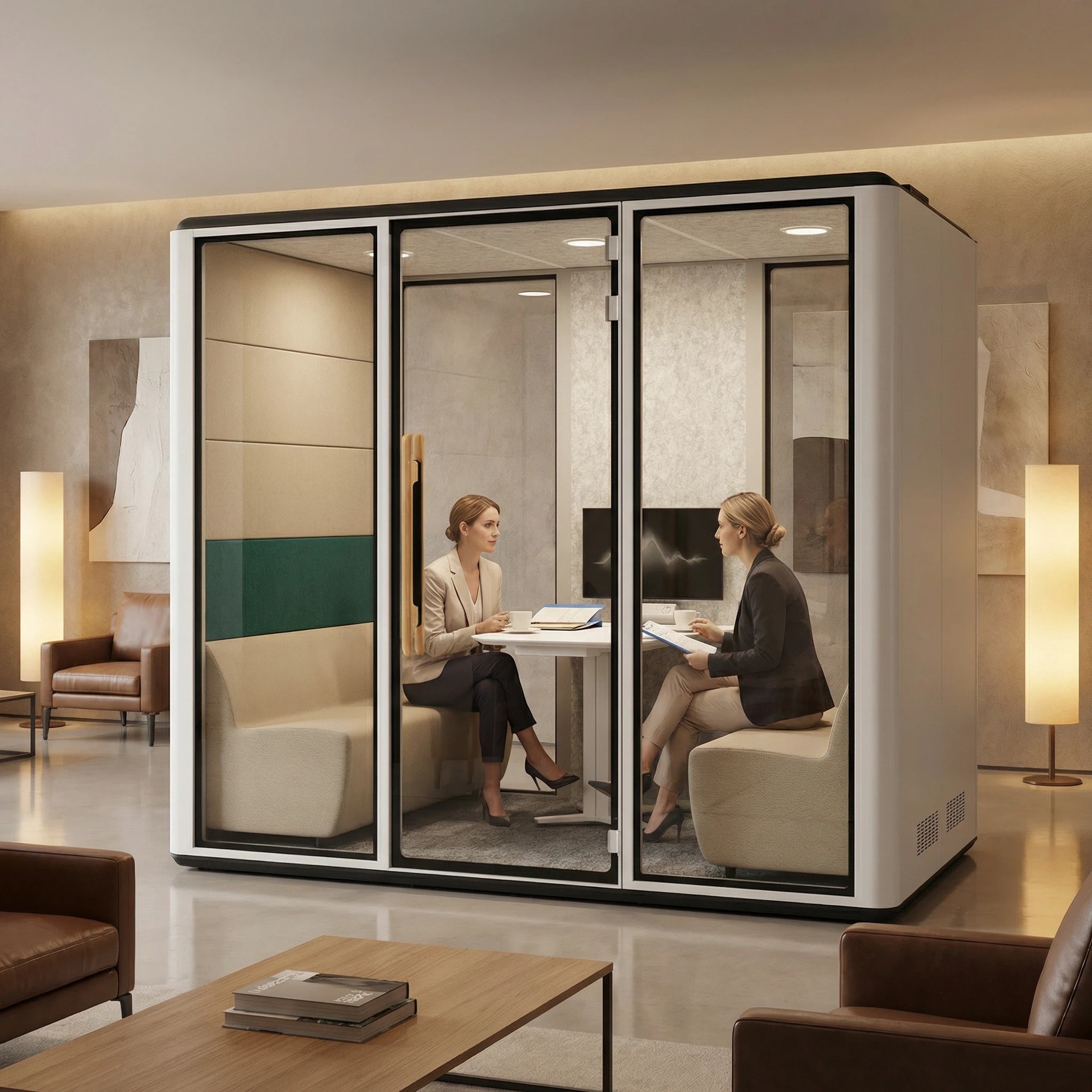
Another factor is the growing need for privacy in open office environments.
While open layouts remain common, they often make it difficult to find quiet areas for calls or focused work.At the same time, communication has become more constant. Video calls and online meetings take place throughout the day, increasing the need for spaces where employees can speak without interruption.This demand is no longer occasional—it is part of daily workflow.
In many cases, companies are turning to soundproof pods as a practical way to address these everyday needs.
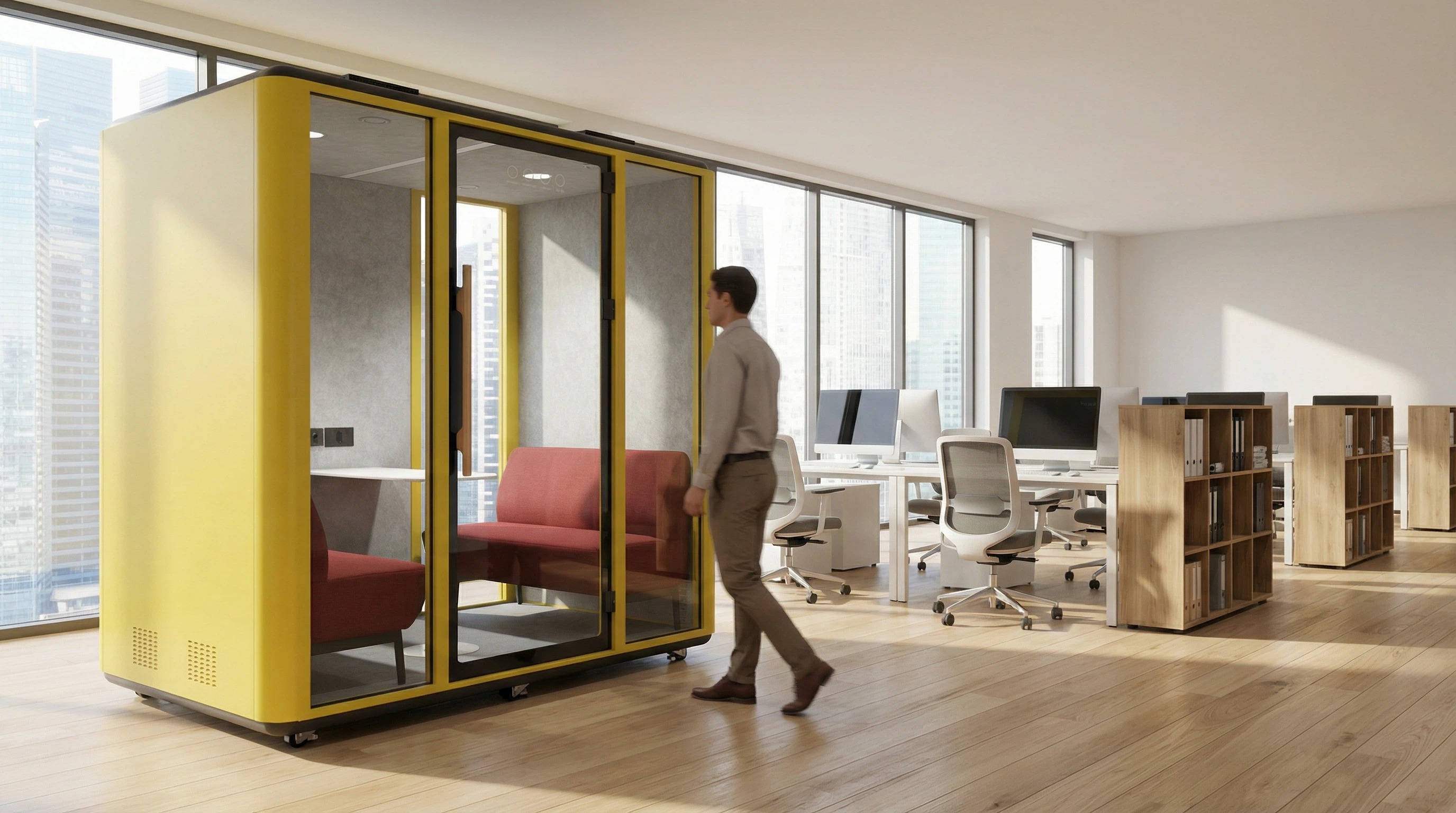
The changes are not happening all at once.In most cases, companies are making gradual adjustments—adding a few smaller spaces, observing how they are used, and adapting over time.As a result, the balance between large meeting rooms and smaller, flexible spaces is beginning to shift.Rather than replacing meeting rooms, companies are redefining their role within the workplace.
More organizations are now exploring flexible, ready-to-install options such as soundproof pods as part of their space planning.
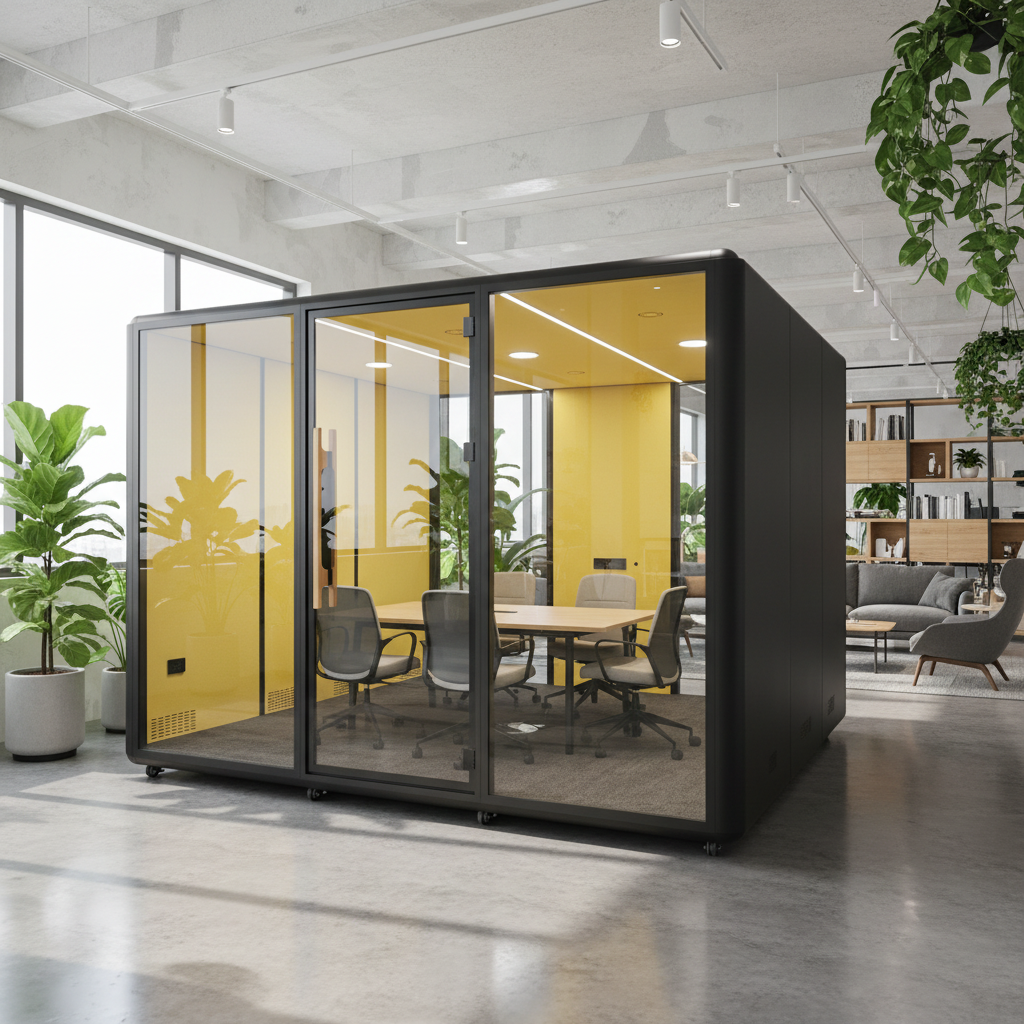
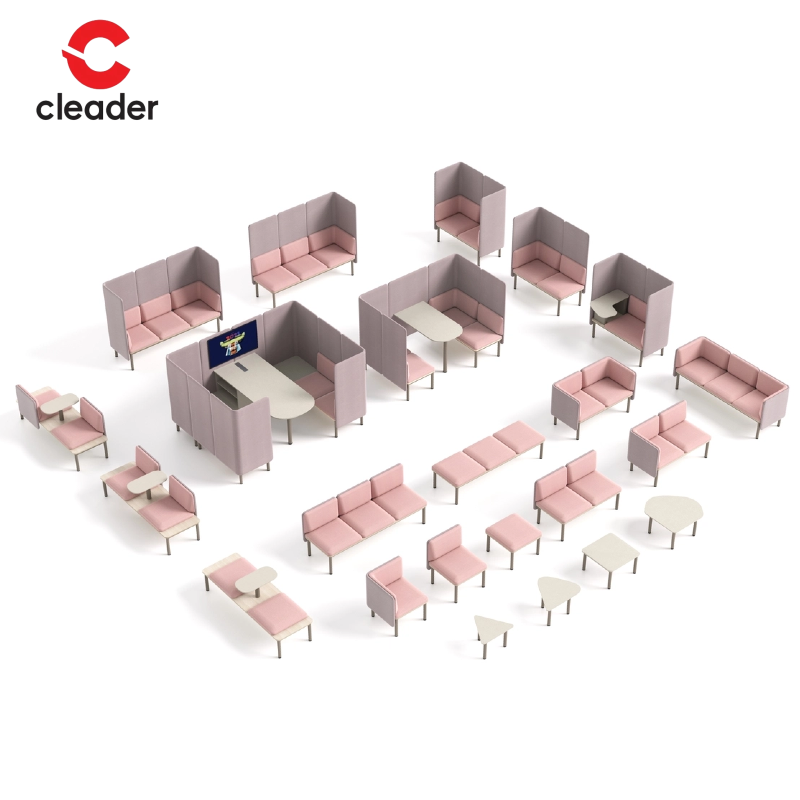
Cleader provides Office furniture , soundproof pods and flexible workspace solutions for offices and commercial environments,which is meeting the diverse needs of the modern era These solutions are designed to support private calls, focused work, and small meetings without requiring permanent construction.
Companies exploring new approaches to office layout are increasingly considering modular acoustic solutions as part of their workplace design strategy.
Copyright © Foshan Cleader Environmental Art Engineering Co., Ltd. All Rights Reserved - Privacy Policy
 EN
EN

 Hot News